October 9, 2026
Fall in the Portland area arrives with a familiar shift. The mornings turn crisp, the rain returns, and the furnace you haven't thought about since April suddenly becomes the most important appliance in your house. Before the first real cold snap hits, it pays to take a little time to look over your heating and cooling equipment.
A few simple checks now can head off the kind of breakdown that always seems to happen on the coldest night of the year, when every technician in town is booked solid. They can also keep your energy bills in check and help your system last longer.
Some of these checks are easy enough to handle yourself on a quiet weekend, while others are best left to a trained HVAC contractor. Here are six checks to put on your calendar this fall, starting with the one that takes the least time.
Test Your Thermostat
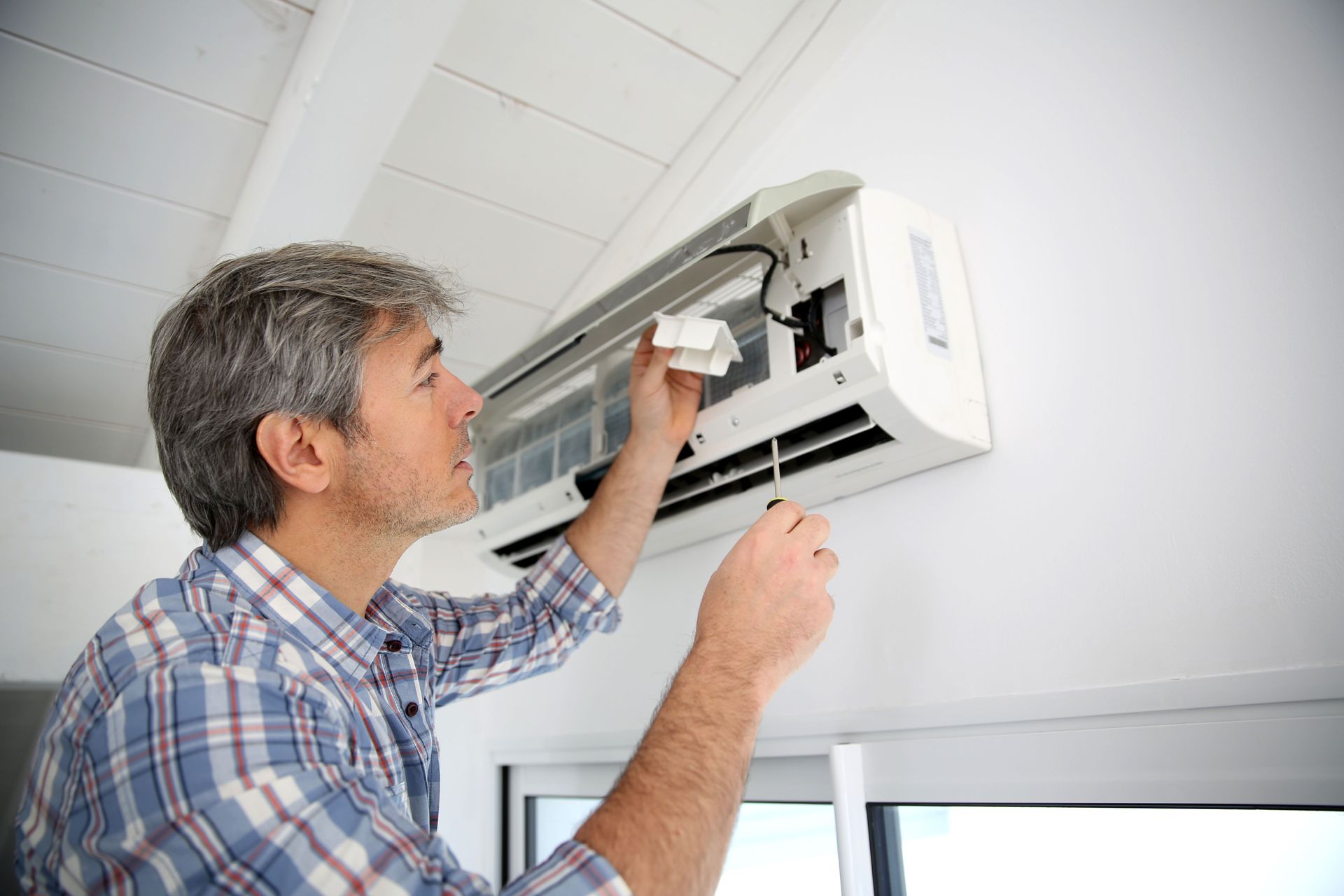
Your thermostat is the control center of your comfort, so it's the best place to start. Switch it from cooling to heating mode and set the temperature a few degrees above the current room reading. Within a few minutes, you should hear the system kick on and feel warm air coming from the vents.
If nothing happens, or if the system runs but the room never reaches the temperature you set, the thermostat could be miscalibrated, have weak batteries, or be failing outright. While you're at it, replace the batteries if your model uses them, and wipe away any dust around the sensor. Fall is also a great time to think about a programmable or smart model.
Being able to lower the temperature automatically while you're at work or asleep can trim your heating costs without costing you any comfort. If your thermostat is outdated or acting up, a professional can repair or replace it quickly, and it's one of the more affordable upgrades you can make.
Replace Your Air Filters
A dirty filter is one of the most common causes of poor heating performance, and it's also one of the easiest problems to fix. When a filter clogs with dust, pet dander, and pollen, your furnace has to work much harder to push air through the house. That extra strain raises your energy use, creates uneven temperatures, and can cause the system to overheat and shut itself off.
Pull your filter out and hold it up to the light. If you can't see through it, it's time for a new one. Most standard filters need replacing every one to three months, and homes with pets or allergy sufferers may need to swap them even more often. Jot the installation date on the frame so you'll always know when the next change is due.
If dust keeps building up no matter how often you clean, ask about a higher-grade filtration system or an air purifier to improve the air your family breathes all winter.
Assess Your Heating System's Age
Every furnace and heat pump has a limited lifespan, and knowing where yours stands can save you from a nasty surprise. According to Bob Vila, most HVAC systems last somewhere between 15 and 25 years, so if yours is approaching that range, you should start planning ahead rather than waiting for it to quit.
Look for warning signs such as banging or rattling noises, yellow rather than blue burner flames, frequent cycling on and off, or repair bills that keep climbing. Keeping a record of past repairs and service visits gives your technician a helpful history to work from.
A seasoned HVAC contractor can inspect the heat exchanger, burners, and electrical components to tell you whether your equipment has a few good winters left or whether replacement makes more sense. Upgrading an aging unit to a high-efficiency model can lower your monthly bills, and rebates, tax credits, and financing options often make the upfront cost far more manageable than homeowners expect.
Inspect Your Ductwork and Vents
Even the best furnace can't keep you comfortable if the air it produces never reaches your rooms. Walk through your home and make sure every vent and register is open and free of furniture, rugs, or curtains. Closing vents in unused rooms might seem like a smart way to save energy, but it can raise pressure inside the system and make it work harder.
Next, take a look at any ductwork you can see in the basement, crawl space, or attic. Gaps, loose connections, or disconnected sections let heated air escape into unconditioned spaces, which means you're paying to warm your attic instead of your living room. Dirty or crushed duct sections can also reduce airflow, so note any areas that look damaged.
If some rooms stay chilly while others feel stuffy, leaky or poorly designed ducts could be to blame. A professional can test and seal them, or suggest a zoning system to even out the temperature across your home.
Clear Your Outdoor Unit
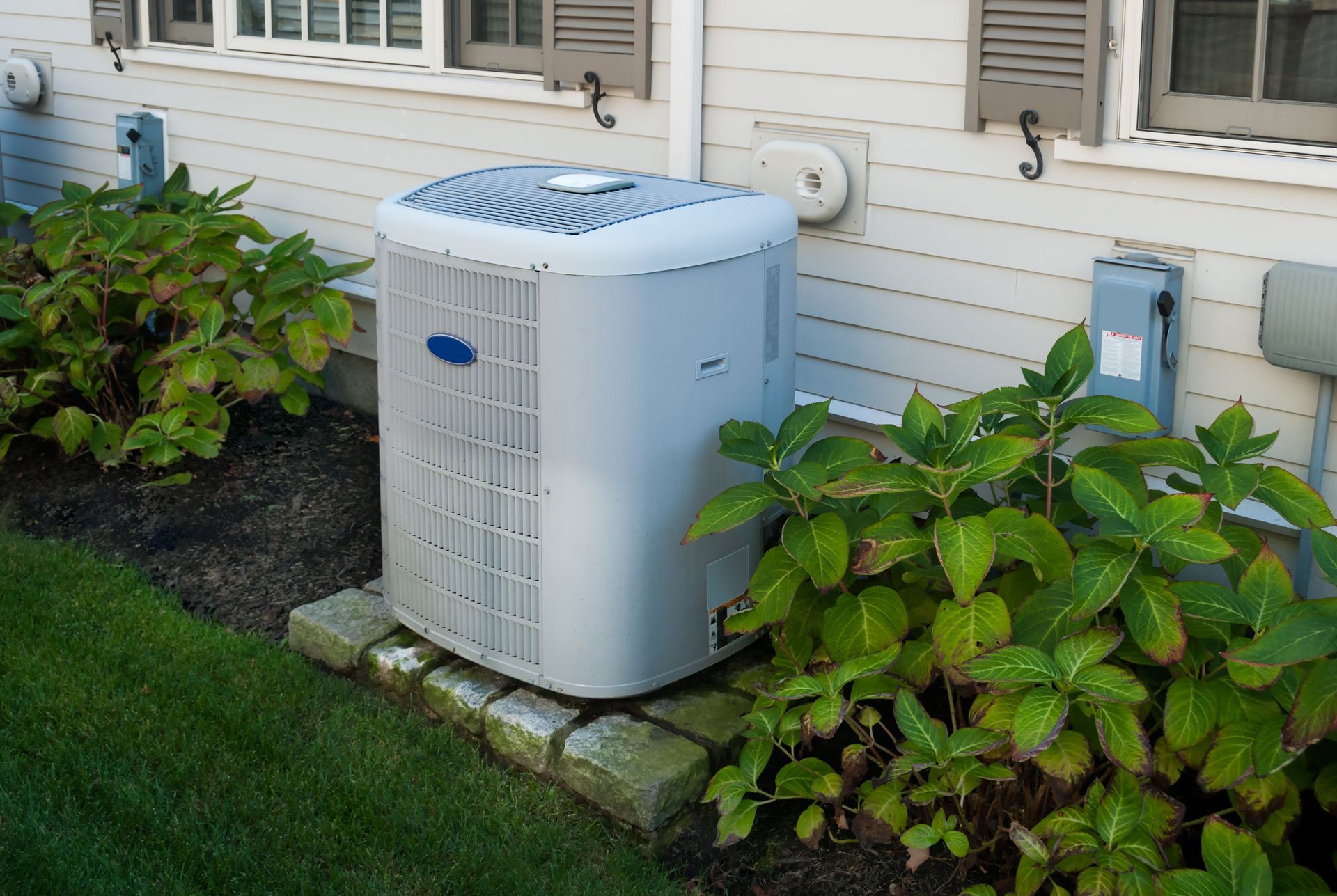
If you have an air conditioner or heat pump, the outdoor unit deserves some attention before winter sets in. Oregon's fall brings plenty of wet leaves, fir needles, and fallen branches, and all of that debris can block airflow and trap moisture around the unit. Turn off the power, clear away anything piled up around it, and gently rinse the fins with a garden hose.
Trim back shrubs so there's at least two feet of clearance on every side. Check the surrounding ground, too, since a level pad keeps the unit running smoothly and quietly. If you plan to cover your air conditioner for the cold months, use a breathable cover made for the purpose rather than plastic, which traps condensation and invites rust.
Heat pump owners should be especially careful, since that unit keeps working all winter long to heat your home. A heat pump that's clogged with debris or low on refrigerant will lose efficiency fast, so this check is well worth the effort.
Verify Your Home's Safety Devices
Whenever you fire up fuel-burning equipment for the season, safety should come first. Test every carbon monoxide detector and smoke alarm in your home, and put in fresh batteries so they're ready for winter. Carbon monoxide is odorless and invisible, and a cracked heat exchanger or blocked flue can allow it to seep into your living space.
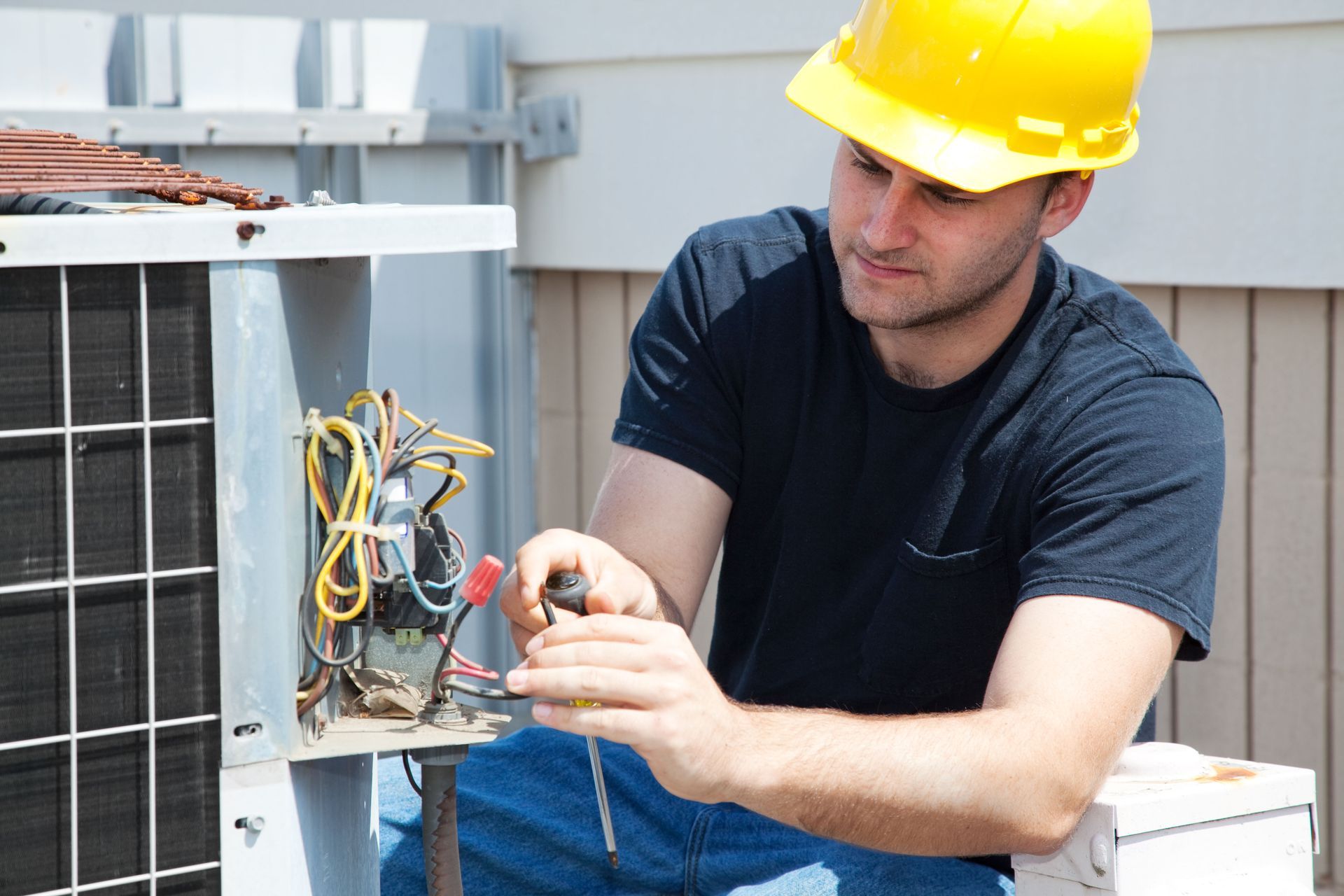
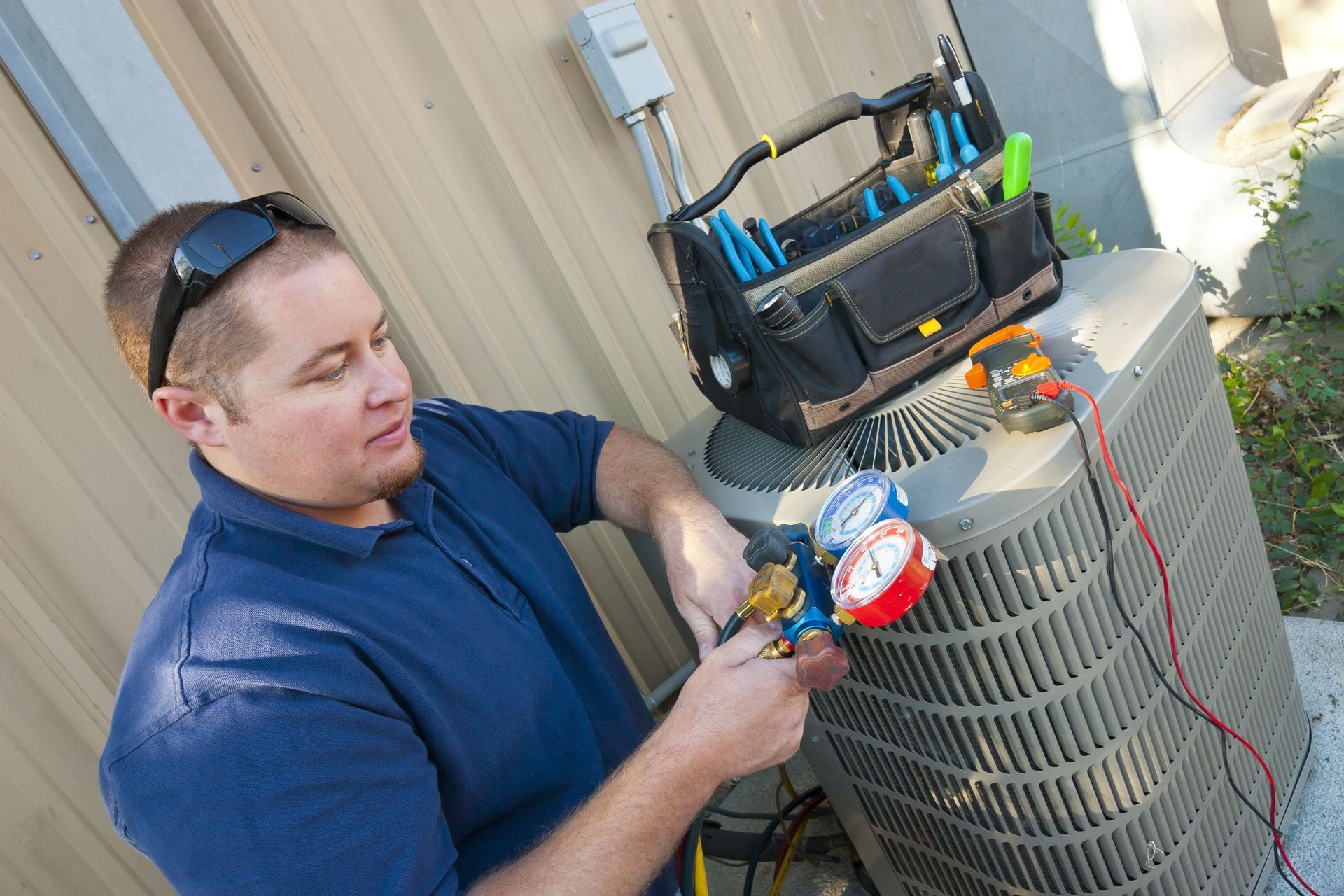
Make sure detectors are placed near bedrooms and on every level of the house, and keep the area around your furnace clear of boxes, paint, and anything flammable. This is also the ideal moment to book a professional tune-up. During a maintenance visit, a qualified technician will clean components, check gas connections, test safety controls, and catch small problems before they turn into expensive emergencies.
Ask a technician to confirm the flue and venting are clear and secure. Many local companies offer seasonal maintenance discounts, so scheduling early can save you money, too.
Working through these six checks doesn't have to feel overwhelming, and the payoff is real. A home that's ready for cold weather is more comfortable, more efficient, and far less likely to need an emergency repair in the middle of a January freeze. Handle the simple items yourself, like the thermostat, filters, vents, and outdoor unit, then lean on a trusted HVAC contractor for the inspections that call for specialized tools, training, and experience.
Fall is also when schedules are still open, so you'll likely get an appointment much faster than you would once temperatures plunge and the phones start ringing off the hook. Putting in a little effort now means you can settle into the season with confidence, knowing your system is ready to keep your family warm until spring. Call A-Action Heating & Cooling Inc today to schedule your fall tune-up and keep your Portland-area home warm all winter long.