November 24, 2026
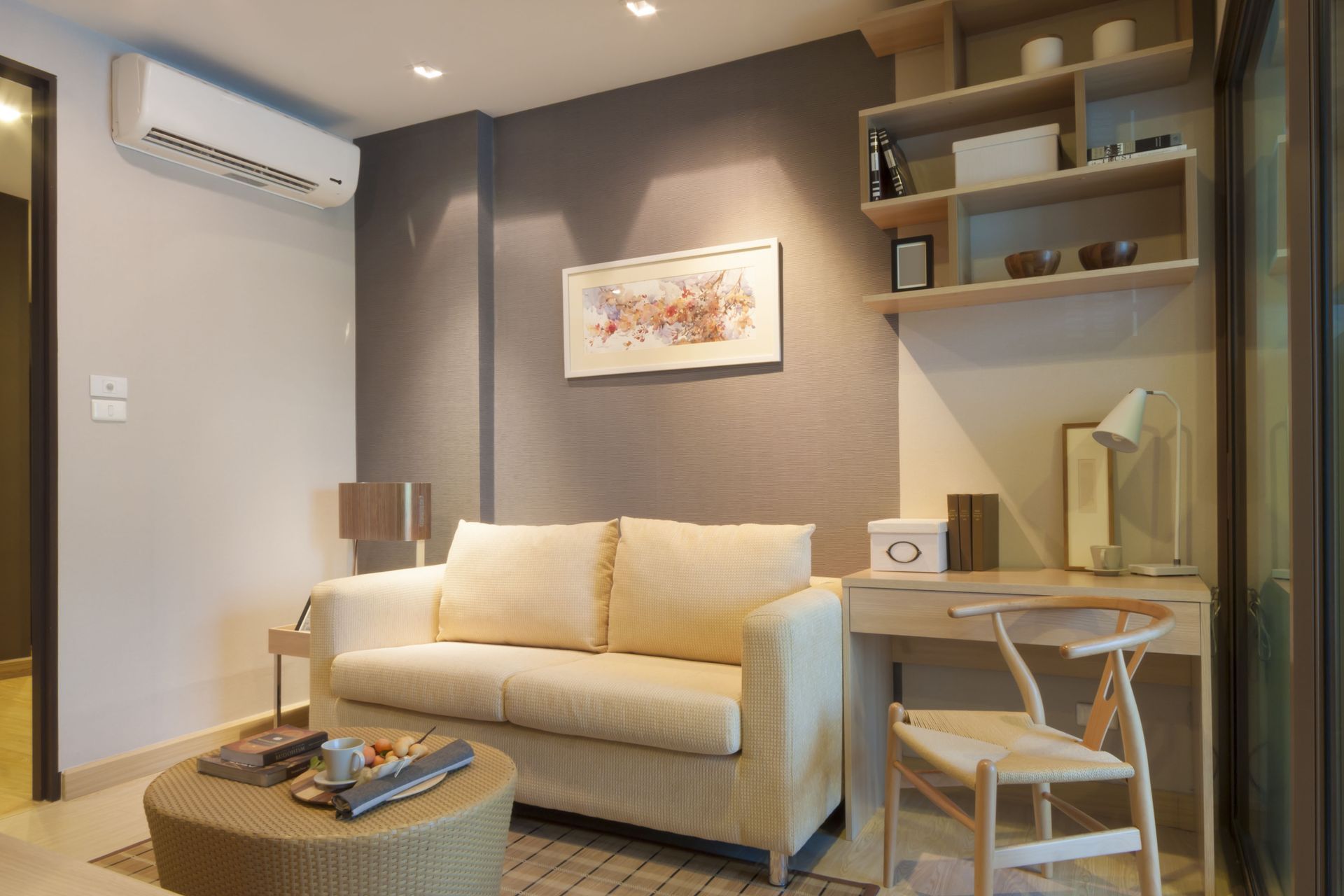
Selecting the right cooling unit for a residential property involves much more than simply matching the square footage of a floor plan to a manufacturer's chart. According to the Department of Energy, 88% of American homes depend on air conditioning equipment to keep indoor living spaces comfortable during warm weather. When technicians plan a new AC installation, accurate equipment sizing prevents high utility bills, uneven room temperatures, and premature mechanical wear. By relying on proven engineering formulas rather than rough estimates, trained contractors match your home with a cooling unit built for reliable performance.
Calculating the Accurate Cooling Load
The foundation of every successful AC installation is a thorough Manual J load calculation, which measures the exact amount of heat entering and leaving a structure. Rather than relying on outdated rules of thumb, technicians input specific architectural details into specialized software to determine how many British Thermal Units (BTUs) per hour your home requires. One ton of cooling capacity equals 12,000 BTUs per hour, and residential units typically range from one and a half tons to five tons.
During an in-home comfort consultation, technicians evaluate several structural and environmental variables that directly influence heat gain:
- Total square footage and ceiling heights across all finished levels
- The number, size, orientation, and glazing quality of windows and exterior doors
- Insulation R-values in the attic, exterior walls, and crawlspaces
- Local climate patterns, summer design temperatures, and regional humidity levels
- Everyday indoor heat sources, including kitchen appliances, lighting fixtures, and the number of occupants
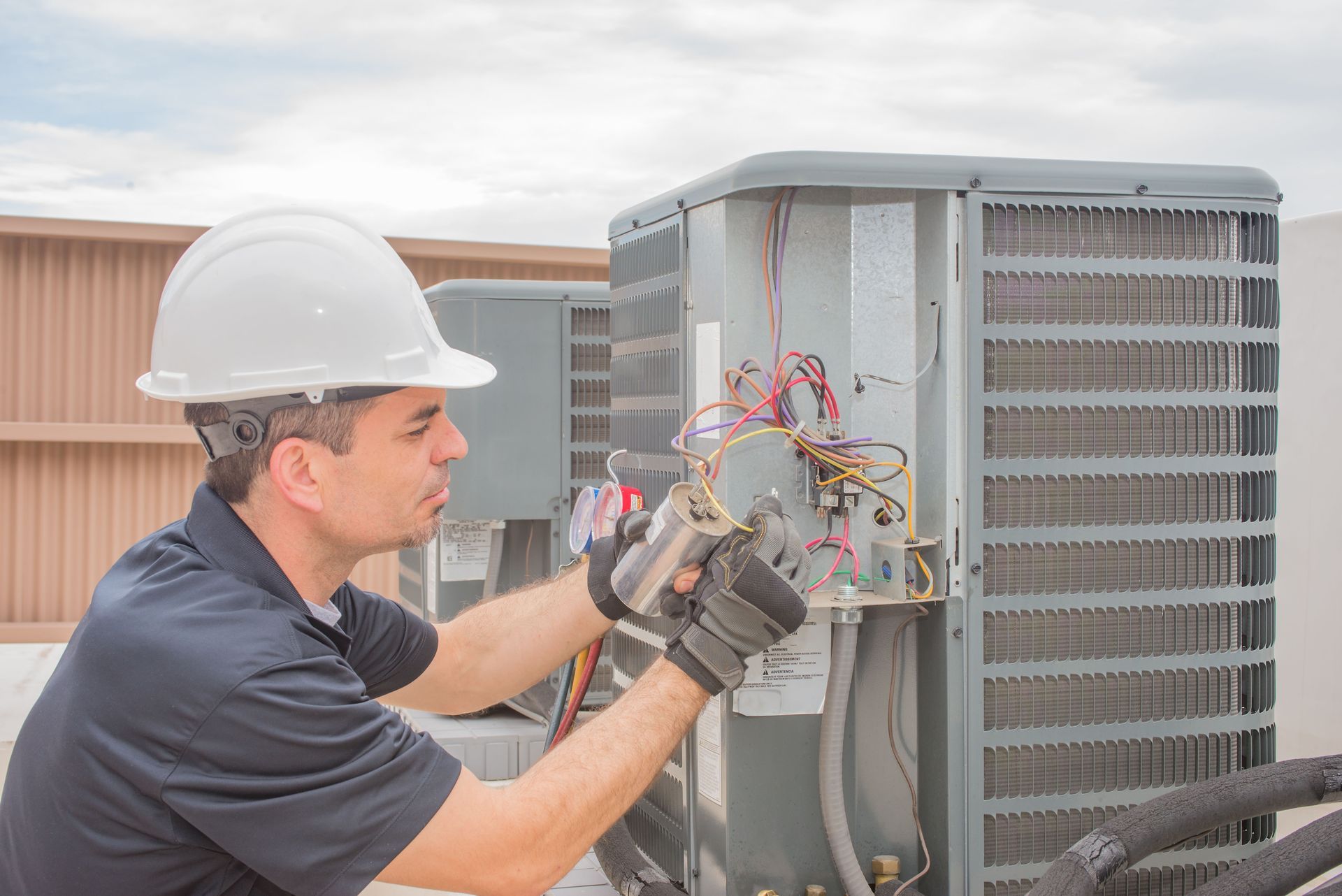
Leaving the measurement process to trained technicians protects homeowners from costly guesswork. Because electrical wiring, refrigerant handling, and load calculations require specialized diagnostic instruments, attempting to estimate capacity or set up cooling equipment on your own can lead to safety hazards and voided manufacturer warranties.
Inspecting Existing Ductwork and Airflow Capacity
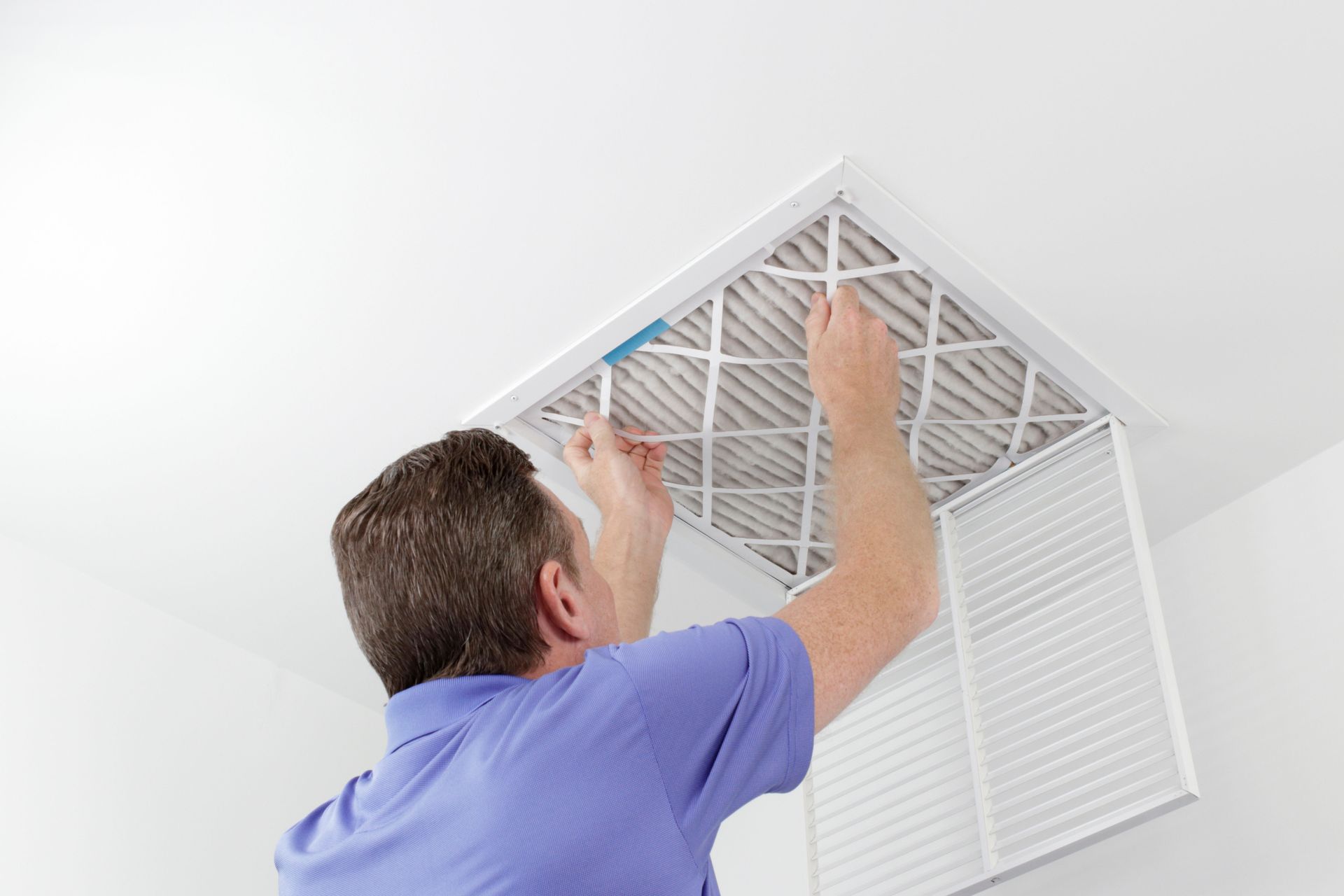
Even the most accurate load calculation cannot deliver whole-home comfort if the air distribution network is damaged, leaky, or improperly sized. Before finalizing equipment recommendations for an AC installation, technicians perform a Manual D evaluation to inspect your existing supply and return ducts. If the ductwork is too narrow for a new high-efficiency system, static pressure builds up inside the plenum, restricting airflow and forcing the blower motor to work harder than intended.
Technicians examine several critical aspects of your ventilation layout during this inspection:
- Duct Dimensions and Layout: Supply trunks and branch runs must be wide enough to carry the required cubic feet per minute (CFM) of conditioned air to every bedroom and living area.
- Air Leaks and Disconnections: Gaps at duct joints can allow 20% to 30% of cooled air to escape into unconditioned attics or crawlspaces before ever reaching your living spaces.
- Return Air Pathways: Sufficient return grilles must pull warm indoor air back to the air handler so pressure remains balanced from room to room.
- Duct Insulation: Exposed ducts running through hot attics require proper insulation sleeves to prevent conditioned air from warming up during transit.
When an inspection uncovers airflow restrictions or aging ducts, contractors can recommend targeted duct modifications, zoning systems, or mini-split installation options to eliminate hot and cold spots throughout the house.
Preventing the Problems of Oversized Equipment
Many homeowners assume that buying the largest available air conditioner will cool their house faster and provide superior relief during heat waves. In reality, an oversized unit creates serious comfort and efficiency drawbacks that shorten the lifespan of the equipment. When a system has too much cooling capacity for the space, it drops the indoor air temperature rapidly and shuts off within a few minutes, a damaging pattern known as short cycling.
Short cycling causes several frustrating issues inside a home:
- Inadequate Humidity Removal: Air conditioners remove moisture from indoor air as warm air passes over the cold evaporator coil, so brief run times leave the air feeling clammy and damp.
- Higher Monthly Utility Bills: Starting the compressor requires a substantial surge of electricity, meaning frequent restarts consume far more power than steady, continuous operation.
- Accelerated Component Wear: Repeatedly starting and stopping places heavy mechanical stress on the compressor, contactors, and fan motors, leading to more frequent AC repair calls.
- Wide Temperature Swings: Rapid bursts of cold air followed by long periods of inactivity cause noticeable fluctuations between rooms.
Working with a qualified contractor prevents these pitfalls by matching equipment capacity to the actual thermal demand of your living space.
Avoiding the Drawbacks of Undersized Units
On the opposite end of the spectrum, installing an air conditioner that is too small for your home leaves the system struggling to keep pace with summer heat. During peak afternoon temperatures, an undersized unit runs continuously without ever reaching the target setting on your thermostat. This nonstop operation drives up electricity consumption while leaving upper floors and sun-facing rooms uncomfortably warm.
Continuous runtime without adequate rest periods pushes internal components beyond their intended duty cycles. Over time, elevated operating temperatures can degrade compressor oil, strain electrical relays, and force premature system replacement. In addition, an overworked system struggles to pull airborne dust, pollen, and pet dander through the filter media effectively. Pairing properly sized cooling equipment with smart thermostat installation, whole-home air filtration installation, or air purifier installation helps keep indoor air clean while maintaining steady temperatures without overtaxing the unit.
Matching Equipment Options to Home Needs
Once the load calculation and ductwork assessment are complete, technicians use Manual S guidelines to select specific equipment models that match your property's exact sensible and latent cooling requirements. Modern residential cooling goes far beyond single-stage central air conditioners, giving homeowners several high-efficiency options tailored to their floor plan and budget.
During the selection process, your contractor will review options offered for your property:
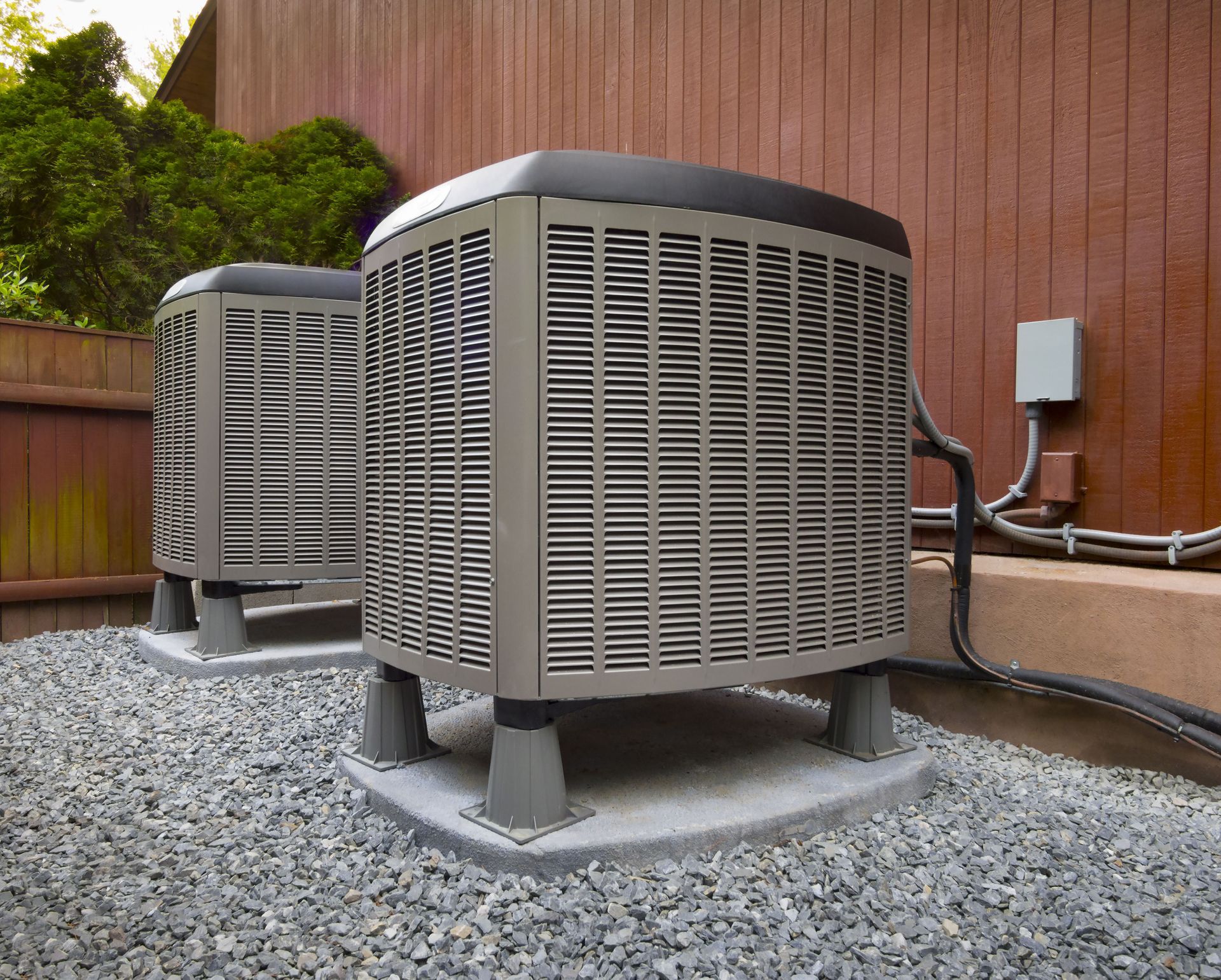
- Central Air Conditioning Systems: Traditional split systems pair an outdoor condenser with an indoor evaporator coil and furnace or air handler, delivering reliable whole-home cooling through existing ductwork.
- High-Efficiency Heat Pumps: Heat pump installation provides both heating and cooling from a single energy-efficient unit, making it an ideal year-round solution for mild and moderate climates.
- Ductless Mini-Split Systems: For homes without existing ductwork, room additions, or converted garages, mini-split installation delivers targeted zone control with minimal structural disruption.
- Zoning and Smart Controls: Adding zoning dampers alongside smart thermostat installation lets you direct conditioned air to occupied areas while saving energy in unused rooms.
Choosing the right equipment during an AC installation also opens the door to utility rebates, manufacturer promotions, and seasonal maintenance plans that protect your investment for years to come.
Preparing Your Home for Installation Day
After you approve the equipment proposal and load calculation results, scheduling a professional AC installation sets the stage for smooth, dependable operation. Trained technicians arrive with the proper recovery tools, brazing equipment, and digital gauges needed to safely remove old components, set the new outdoor condenser pad, connect refrigerant lines, and verify proper refrigerant charge. Because handling refrigerants and high-voltage electrical circuits carries strict federal regulations and safety risks, professional setup is essential for safe operation.
Before the crew arrives, homeowners can take a few simple steps to help the appointment run smoothly:
- Clear a path at least three feet wide around your indoor furnace, air handler, and electrical panel.
- Trim back shrubs, branches, or tall grass within two feet of the outdoor condenser location.
- Secure pets in a quiet room away from exterior doors and work areas.
- Keep your driveway clear so technicians can easily unload new equipment and diagnostic tools.
Once the new system is powered on, technicians test static pressure, measure temperature splits across the evaporator coil, and walk you through your new thermostat controls. Scheduling routine seasonal maintenance, including spring maintenance and an annual AC tune-up, keeps your properly sized system running at peak efficiency through every summer season.
Proper equipment sizing is the single most important step in protecting your home comfort, indoor air quality, and monthly energy budget. Investing in a careful load calculation and ductwork inspection during your next AC installation helps your cooling system run quieter, last longer, and maintain consistent temperatures in every room. Contact A-Action Heating & Cooling Inc today to schedule your free comfort consultation and get a properly sized cooling solution for your home.