November 17, 2026
Air conditioning systems play an essential role in maintaining comfortable indoor temperatures, especially during periods of extreme heat. However, keeping a home cool can require significant energy when equipment is outdated, poorly maintained, or operating inefficiently. Rising utility bills, inconsistent temperatures, and excessive system cycling may indicate that an air conditioner needs professional attention. Working with an experienced HVAC company can help homeowners identify efficiency problems and implement improvements that support reliable cooling performance. From routine maintenance to equipment adjustments, professional services can reduce unnecessary energy consumption while extending the useful life of cooling equipment. Understanding how HVAC professionals improve system efficiency can help homeowners make informed decisions about maintaining comfortable, energy-efficient living environments.
Inspecting the Air Conditioning System Thoroughly
A comprehensive inspection is an important starting point for improving air conditioning efficiency. Cooling systems contain interconnected components, including compressors, evaporator coils, condenser coils, refrigerant lines, and electrical connections. When one component operates incorrectly, the entire system may experience reduced performance. Homeowners might notice longer cooling cycles, uneven temperatures, or increased electricity consumption without understanding the underlying cause. Identifying these problems early can prevent minor inefficiencies from developing into expensive mechanical concerns.
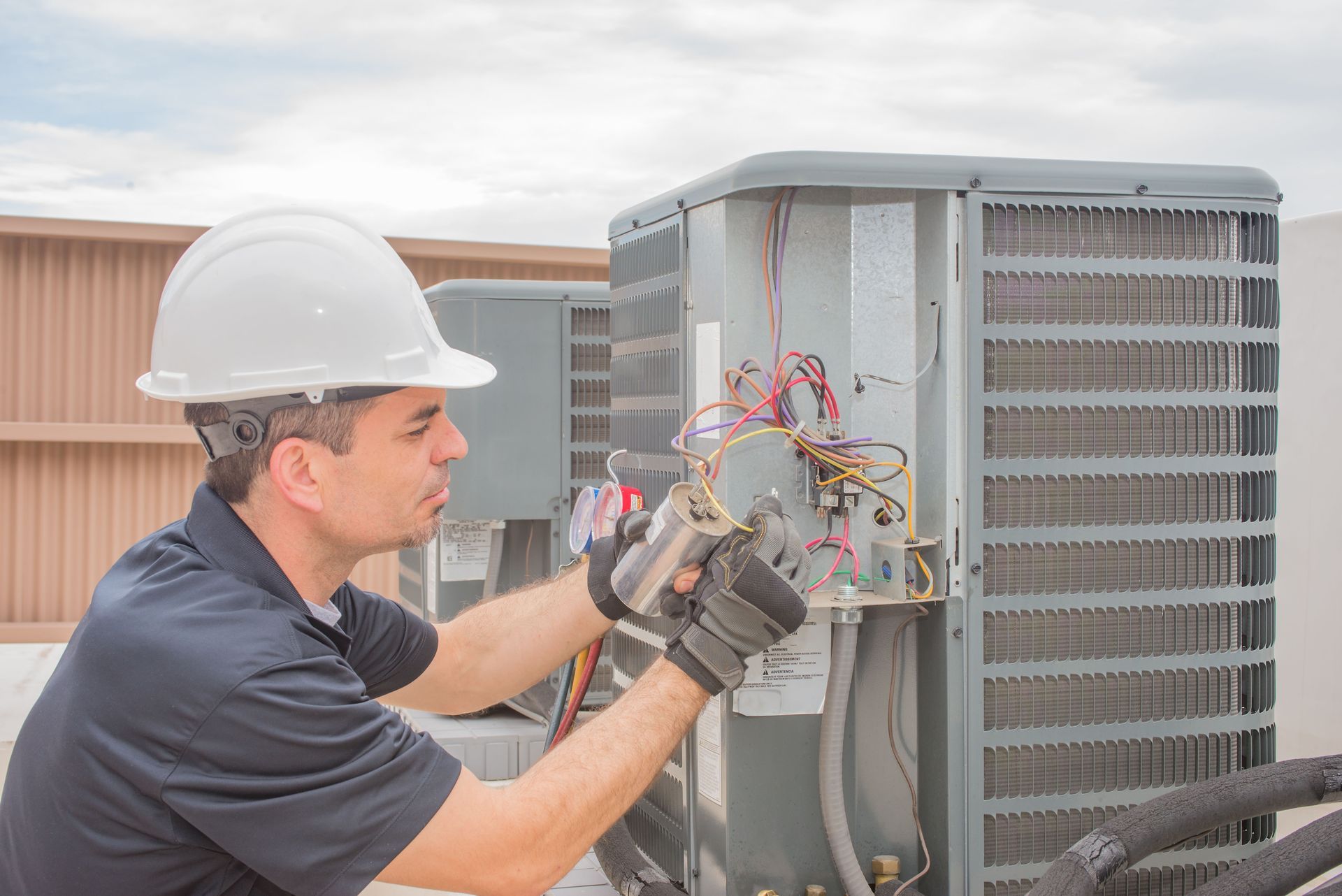
An experienced HVAC company can evaluate system performance through detailed inspections and diagnostic testing. Technicians examine equipment condition, measure operating temperatures, and check electrical components for potential problems. They may also assess airflow and inspect accessible refrigerant connections. These evaluations help identify worn components, restricted airflow, and other conditions that affect cooling efficiency. Addressing identified concerns allows equipment to operate more effectively while reducing unnecessary strain on mechanical components.
Cleaning Essential Cooling System Components
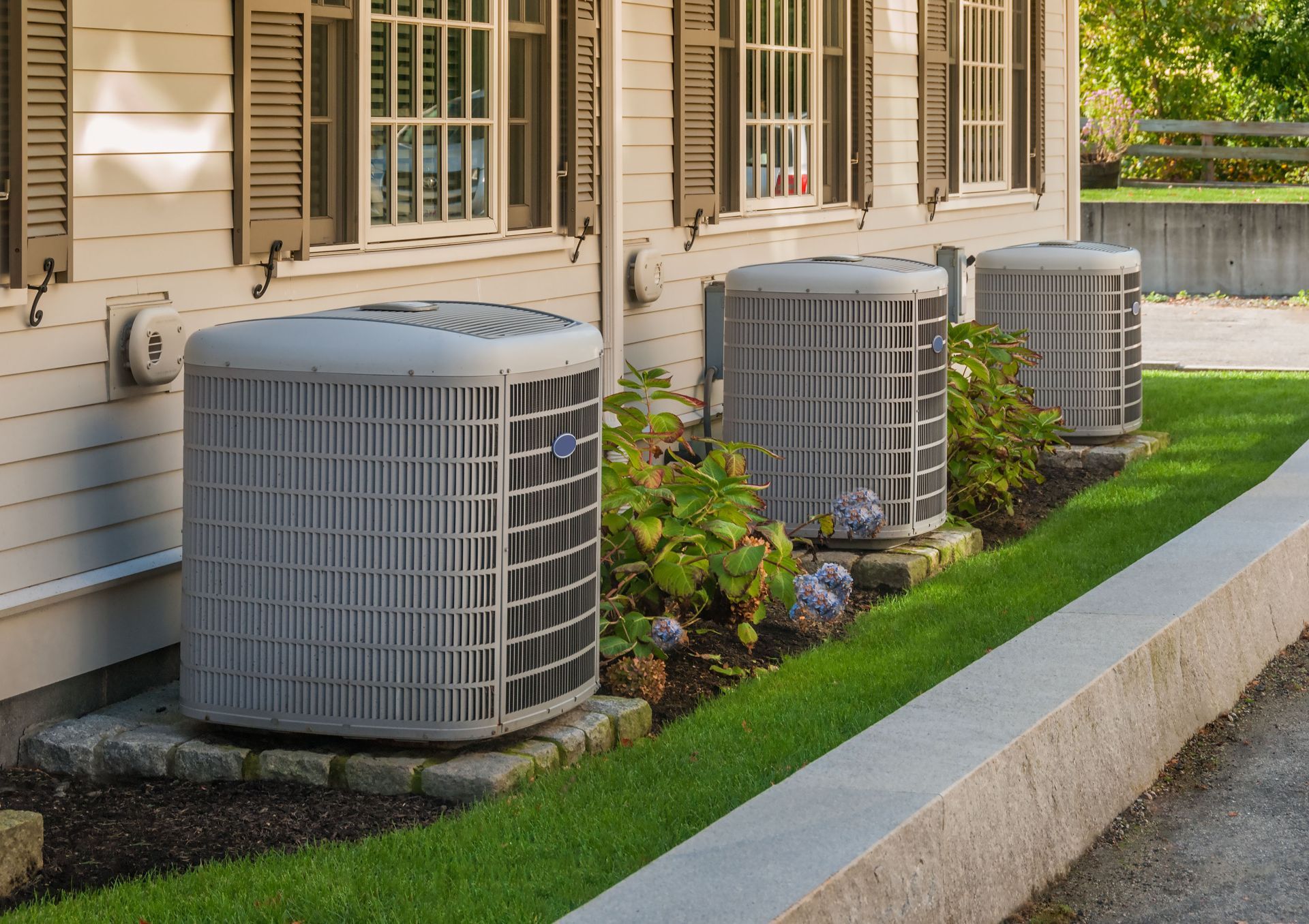
Dirt, dust, and debris can accumulate throughout an air conditioning system during normal operation. Evaporator coils may collect particles that interfere with heat absorption, while outdoor condenser coils can become covered with leaves, grass clippings, and airborne contaminants. These obstructions reduce the system's ability to transfer heat efficiently. Consequently, equipment may run longer to achieve the desired indoor temperature, increasing energy consumption and placing additional stress on mechanical components.
Professional cleaning helps restore proper heat transfer and supports consistent cooling performance. Technicians can clean accessible coils, inspect condensate drainage components, and remove debris from appropriate equipment areas. They also evaluate whether additional maintenance is necessary to address buildup or restricted airflow. Keeping critical components clean helps the air conditioner operate closer to its intended efficiency. Regular attention can also reduce drainage problems and prevent avoidable performance issues during heavy use.
Replacing Air Filters and Improving Airflow
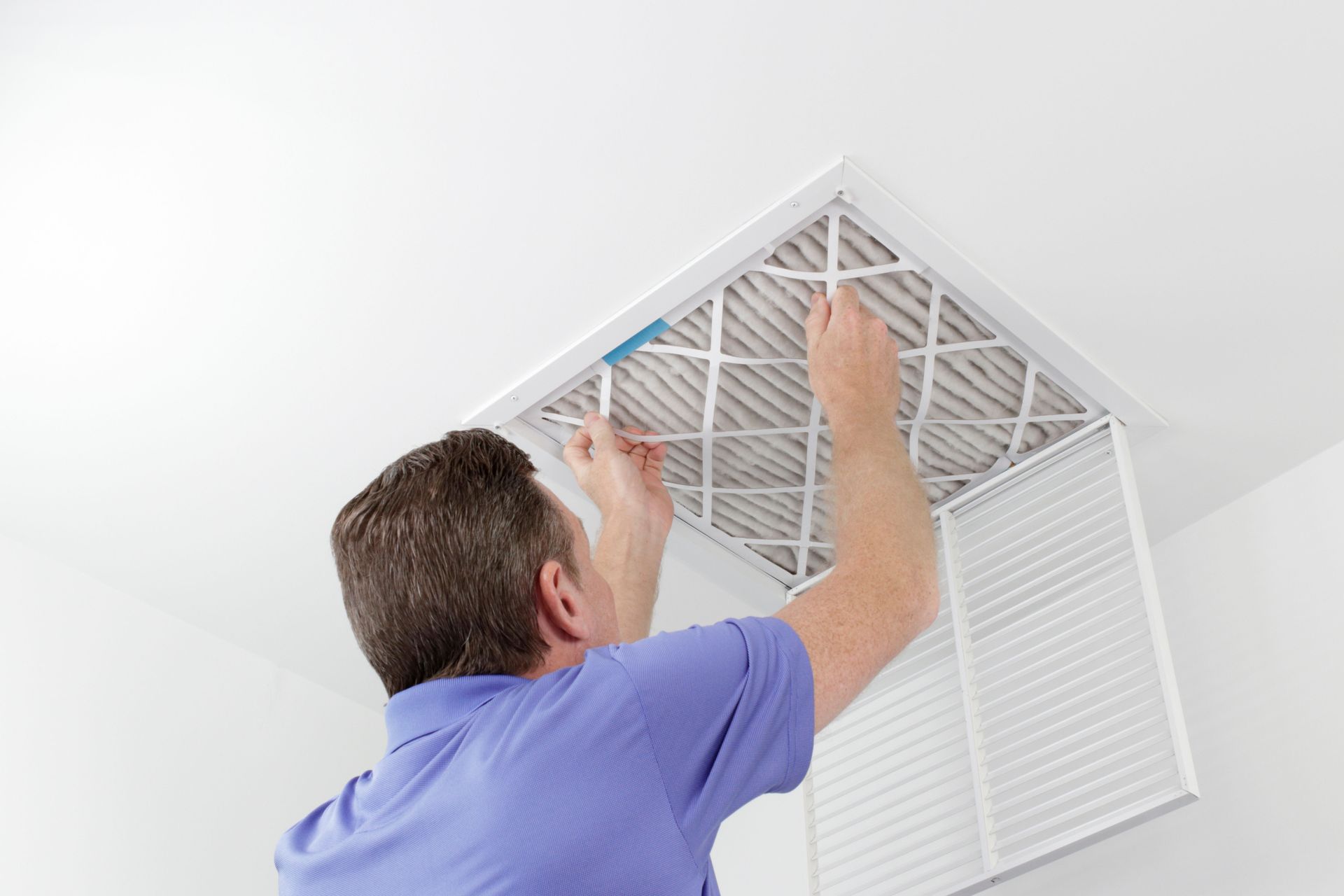
Airflow plays a critical role in maintaining efficient cooling throughout a home. When air filters become clogged with dust, pet hair, and other particles, they restrict air movement through the system. This restriction can make it harder for equipment to maintain comfortable temperatures. Inadequate airflow may also contribute to frozen evaporator coils, uneven cooling, and increased operating costs. Filter maintenance is therefore important for protecting system performance.
A knowledgeable HVAC company can recommend appropriate filter types and replacement schedules based on equipment requirements and household conditions. Technicians may also inspect supply vents, return air pathways, and accessible ductwork for restrictions. Filters with excessively high resistance can reduce airflow when incompatible with existing equipment. Selecting suitable filtration products and maintaining clear air pathways helps cooling systems distribute conditioned air effectively without unnecessary energy consumption.
Checking Refrigerant Levels and System Performance
Refrigerant allows an air conditioning system to absorb heat from indoor air and release it outdoors. When refrigerant levels are incorrect, cooling performance may decline significantly. Low refrigerant typically indicates a leak or another problem rather than normal consumption. Affected systems may struggle to reach thermostat settings, operate for extended periods, or develop ice on cooling components. Continuing operation under these conditions can increase energy usage and potentially damage the compressor.
Qualified technicians can evaluate refrigerant pressures, temperatures, and other operating conditions to determine whether the system requires attention. If a leak is identified, appropriate repairs should be completed before refrigerant is added. Professionals also follow applicable handling and safety requirements when servicing refrigerant systems. Maintaining the correct refrigerant charge supports effective heat transfer and helps equipment achieve its intended cooling performance without placing excessive demands on mechanical components.
Evaluating Ductwork for Energy Loss
Ductwork distributes conditioned air from the cooling system to different areas of a home. However, damaged connections, poorly sealed joints, and inadequate insulation can allow cooled air to escape before reaching occupied rooms. These problems are especially concerning when ducts pass through hot attics, crawl spaces, or other unconditioned areas. Air leakage can force cooling equipment to operate longer while contributing to uncomfortable temperature differences throughout the property.
An HVAC company can inspect accessible ductwork and identify conditions that contribute to energy loss. Professionals may recommend sealing leaking connections, repairing damaged sections, or improving insulation where appropriate. They can also evaluate whether duct sizing and airflow distribution support the home's cooling requirements. Addressing these concerns helps deliver more conditioned air to intended spaces. Improved duct performance can reduce wasted energy while supporting consistent temperatures throughout the home.
Optimizing Thermostat Settings and Controls
Thermostat operation influences how frequently an air conditioning system runs and how effectively it maintains indoor comfort. Incorrect settings, inaccurate temperature readings, or poorly positioned thermostats can contribute to unnecessary cooling cycles. For example, a thermostat exposed to direct sunlight may detect temperatures that do not accurately represent conditions throughout the home. These issues can increase electricity consumption without providing meaningful improvements in comfort.
Professional technicians can evaluate thermostat accuracy, placement, and compatibility with existing cooling equipment. They may recommend programmable or smart thermostats that allow homeowners to adjust temperatures according to daily routines. Appropriate scheduling can reduce unnecessary cooling when occupants are away while maintaining comfortable conditions when needed. Technicians can also explain efficient operating practices and available control features. Proper thermostat management supports consistent cooling and more efficient energy use.
Scheduling Preventive Maintenance Regularly
Routine maintenance helps air conditioning systems operate efficiently throughout their service lives. According to The Energy Institute, approximately nine out of ten households in the United States have air conditioning. Given how widely these systems are used, regular maintenance plays an important role in controlling energy costs and reducing the risk of unexpected equipment failures. Neglected systems may develop dirty components, loose electrical connections, drainage problems, or other conditions that gradually reduce performance.
Scheduling preventive service with an HVAC company provides opportunities to identify developing problems before they interfere with cooling. During maintenance appointments, technicians can inspect mechanical components, evaluate electrical connections, check drainage systems, and assess overall operation. They may also recommend repairs or adjustments based on equipment condition. Regular maintenance supports reliable performance, helps prevent avoidable efficiency losses, and allows homeowners to address concerns before they require extensive repairs.
Recommending Energy-Efficient Equipment Upgrades
Even well-maintained air conditioners eventually reach a point when replacement becomes more practical than continued repairs. Older equipment may consume considerably more electricity than modern systems designed to meet updated efficiency standards. Frequent breakdowns, rising operating costs, and inconsistent cooling can indicate that existing equipment no longer meets household needs. However, replacement decisions should consider equipment condition, repair expenses, and expected energy savings rather than age alone.
Experienced professionals can evaluate whether repairs, adjustments, or replacement would provide the greatest benefit. When recommending new equipment, they consider home size, insulation, cooling demands, and appropriate system capacity. Oversized or undersized units may operate inefficiently and create comfort problems. Technicians can also explain efficiency ratings and available equipment features. Proper sizing and installation help homeowners maximize the benefits of modern cooling technology while supporting dependable long-term performance.
Improving air conditioning efficiency requires consistent maintenance, accurate diagnostics, and attention to components that influence cooling performance. Professional inspections, coil cleaning, airflow improvements, refrigerant evaluations, and ductwork repairs can help reduce unnecessary energy consumption. Thermostat adjustments and appropriately selected equipment upgrades may provide additional benefits. Working with a reliable HVAC company allows homeowners to identify efficiency concerns and develop practical solutions that support comfortable indoor temperatures and manageable operating costs. Investing in professional cooling services can also help protect equipment and reduce unexpected disruptions. For experienced assistance with improving your air conditioning system's efficiency, contact A-Action Heating & Cooling Inc today.