November 23, 2026
A heating or cooling system can run for years without drawing much attention. Then a bedroom starts feeling colder than the rest of the house, the equipment makes a new noise, or the utility bill rises unexpectedly. These changes do not always mean replacement is necessary, but they are worth investigating before a minor problem becomes a major interruption.
Age is one factor to consider alongside maintenance history and performance. A heating and air conditioning company can examine how the equipment operates, identify problems, and explain whether a repair or an upgrade makes sense for the household.
Recognize Changes in Everyday Performance
Older equipment may begin cycling more often, taking longer to reach the thermostat setting, or making sounds that were not present before. A brief click when a system starts can be normal, while persistent grinding, banging, or squealing deserves attention. New odors, water around the equipment, or repeated shutdowns also warrant a professional assessment.
These symptoms can have several explanations. A worn blower component, loose connection, clogged filter, or thermostat problem may create similar complaints. Guessing from a sound alone can lead to unnecessary work. Record when the change occurs, which rooms are affected, and whether a warning appears on the thermostat. Details like these help a technician investigate the right areas.
Understand What Equipment Age Really Means
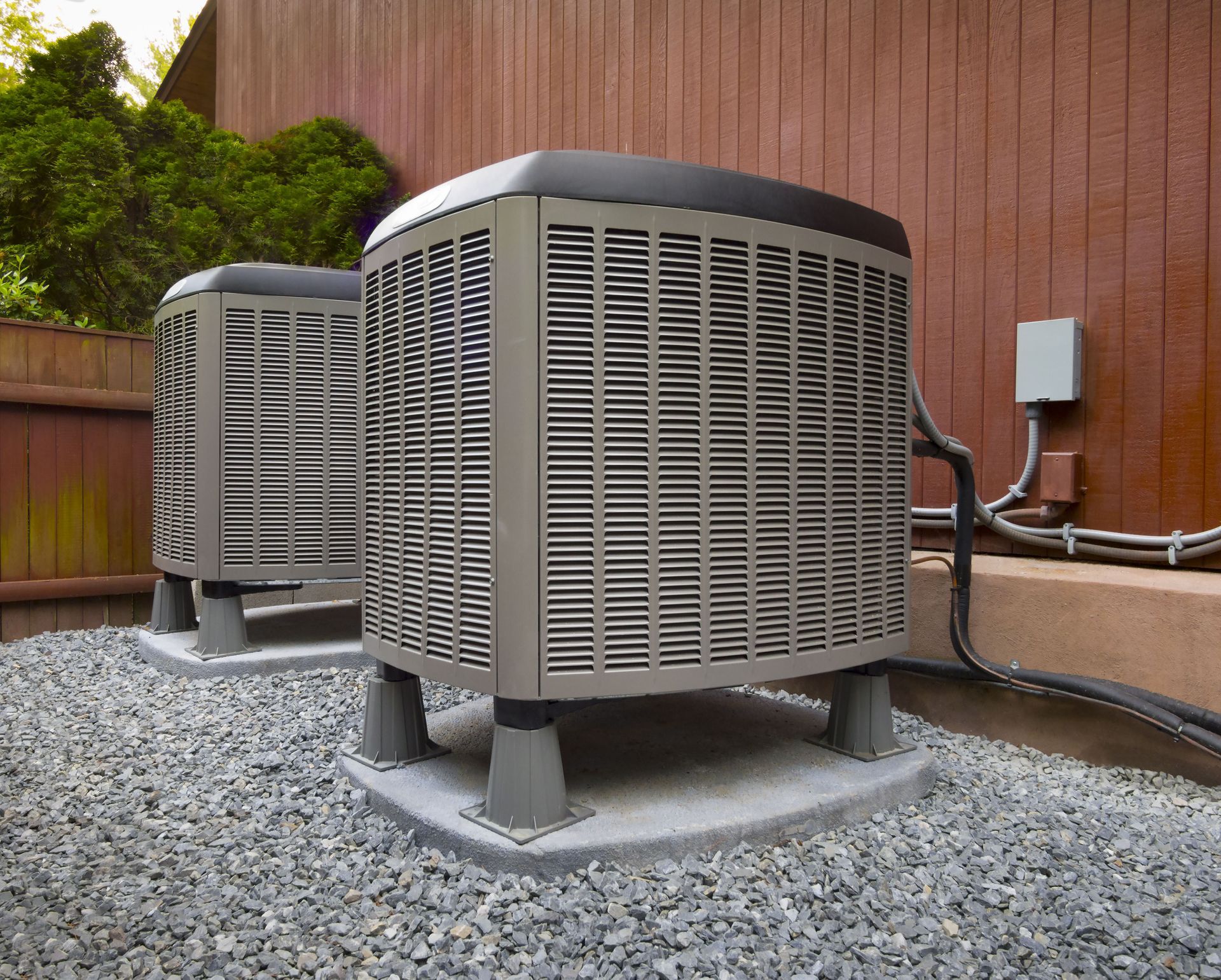
The date on the equipment label helps put its condition in context, but age does not determine whether a system is safe or functional. According to the Office of Energy Efficiency and Renewable Energy, an earlier estimate indicated that about 29% of households had home heating equipment older than 15 years. This figure describes an earlier period, not a current count or a mandatory replacement age.
Maintenance, installation quality, climate, and frequency of use can all affect service life. An older furnace that has been maintained may still meet a home's needs, while a newer unit with a serious fault needs prompt attention. A heating and air conditioning company should consider inspection findings and operating conditions rather than recommending replacement solely because of a manufacture date.
Investigate Uneven Heating and Cooling
Hot and cold spots can make a home uncomfortable even when the thermostat shows the expected temperature. Before blaming aging equipment, check whether supply vents are blocked by furniture and whether the filter needs attention. Closed interior doors, air leaks, inadequate insulation, and poor duct design can also influence room temperatures.
A professional may measure airflow, inspect accessible duct connections, review thermostat operation, and assess the heating or cooling equipment itself. Sometimes a relatively limited repair or airflow adjustment helps. Other homes need insulation improvements or a more involved evaluation. Understanding the source matters because replacing a functioning unit will not necessarily correct a poorly insulated room or disconnected duct.
Look Beyond a Rising Utility Bill
An unexpectedly high bill is worth investigating, but energy costs change for reasons unrelated to equipment age. Outdoor temperatures, household occupancy, thermostat settings, and utility rates can all affect monthly spending. Compare energy usage over similar seasons instead of judging the system by one statement.
If usage has increased without a clear explanation, a heating and air conditioning company can inspect the equipment for issues such as restricted airflow, dirty coils, or controls that are not operating correctly. Ask the technician to explain what measurements support the diagnosis. Maintenance may improve performance, but no repair can guarantee a particular reduction in bills. The goal is to address problems that are actually present, not assume every older system wastes energy.
Maintain Filters, Airflow, and Moisture Control
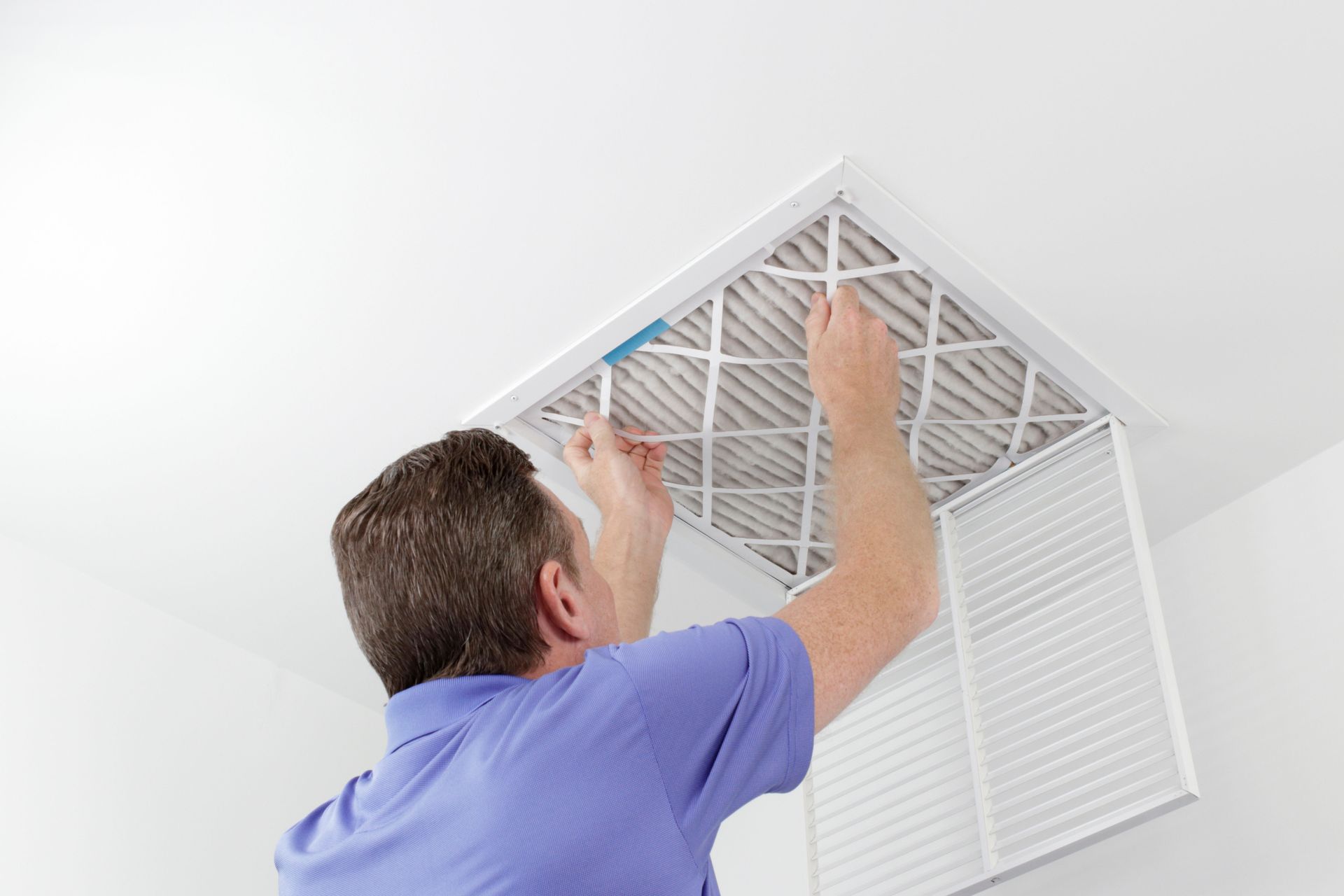
Changing or cleaning filters according to the manufacturer's instructions supports airflow and protects equipment from dust buildup. A filter that is too restrictive for the system can create problems, even when it captures smaller particles. Ask which filter type and replacement schedule suit the equipment and household conditions.
Also watch for moisture around air handlers, condensate drains, and nearby flooring. A blocked drain or leak may cause water damage and should be corrected promptly. Heating and cooling equipment can contribute to comfort and filtration, but it cannot eliminate every source of indoor pollution. Ventilation, source control, and appropriate humidity management remain important. If musty odors persist, investigate moisture rather than assuming a new unit will solve them.
Make Safety Part of Routine Service
Fuel-burning heating systems deserve particular attention because damaged venting or combustion components can present carbon monoxide hazards. Schedule professional service at intervals recommended for the equipment, and keep carbon monoxide alarms installed and maintained according to local requirements. If an alarm sounds, leave the building and contact emergency services rather than trying to troubleshoot the furnace yourself.
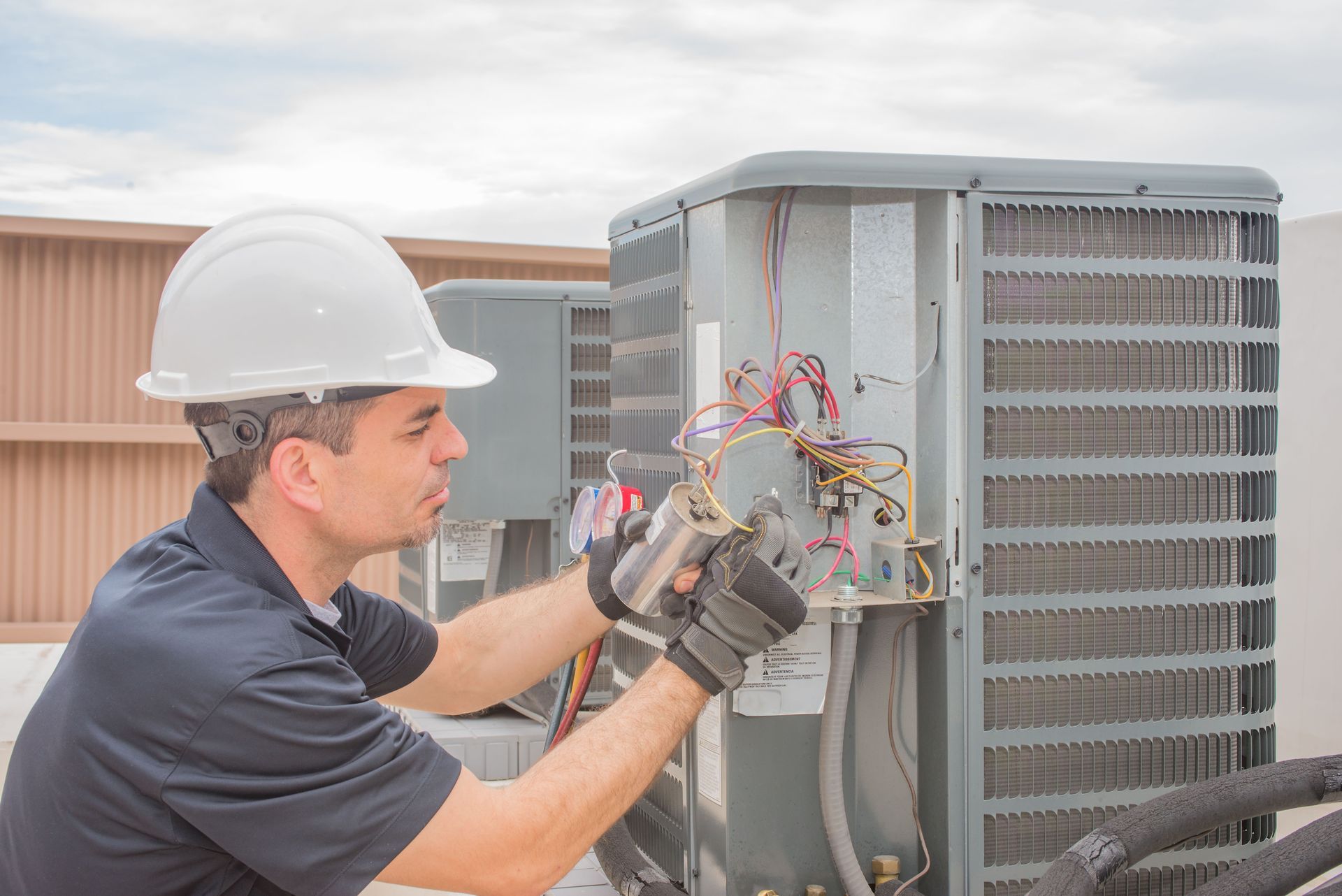
A qualified heating and air conditioning company may inspect the burner, heat exchanger, electrical connections, safety controls, and venting when those components apply. Heat pumps and air conditioners have different inspection needs, including electrical and refrigerant-system checks. Homeowners should leave internal repairs and refrigerant work to qualified professionals. A maintenance visit cannot prevent every breakdown, but it can identify visible wear and operating concerns that need attention.
Compare Repair and Replacement Options Carefully
An older system does not automatically need replacing after its first repair. Consider the seriousness of the fault, availability of compatible parts, history of breakdowns, expected remaining service life, and the home's comfort needs. A single serviceable component may justify repair, while repeated failures and substantial deterioration can make replacement worth discussing.
When comparing equipment, review efficiency ratings appropriate to the technology. Furnaces commonly use annual fuel utilization efficiency (AFUE), while central cooling equipment uses seasonal efficiency measures such as SEER2. Ratings describe standardized performance; actual household results also depend on sizing, ductwork, installation, and usage. Ask for a load calculation when replacement is proposed instead of assuming the previous unit was sized correctly.
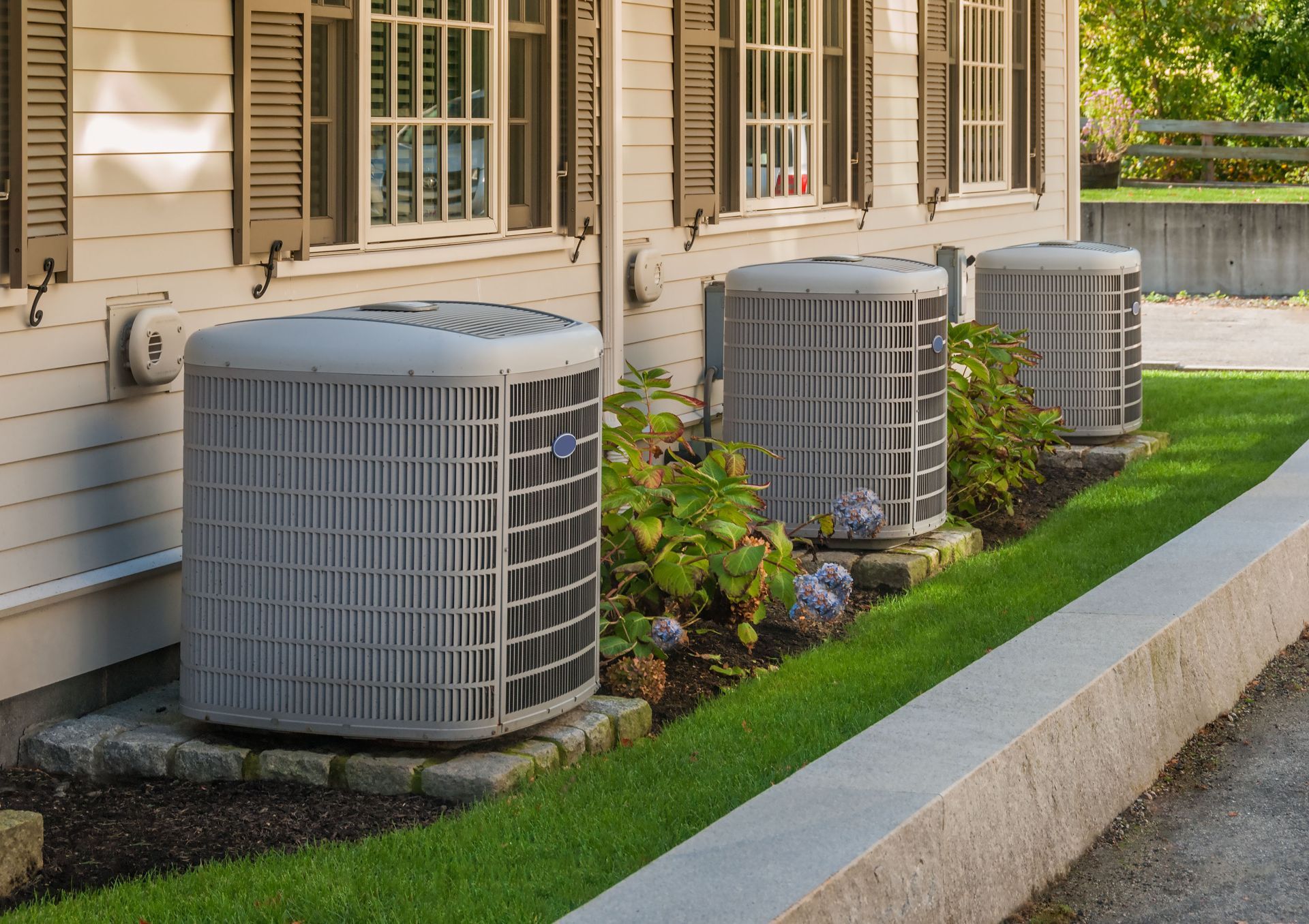
An installer should also explain whether existing ducts, electrical service, and controls can support the proposed equipment. Planning around these details can prevent surprises during installation. If a heat pump is under consideration, ask how the model performs in local winter conditions and whether supplemental heat might be appropriate. A heating and air conditioning company can walk through repair and replacement choices using inspection findings rather than an arbitrary age cutoff. A sensible decision accounts for both the equipment and the home it serves.
Ask Clear Questions Before Authorizing Work
You should understand what a technician found before approving a repair or replacement. Ask which symptoms were confirmed, which tests were completed, and what alternatives are available. Request a written scope of work and clarification of any warranties, permits, or follow-up maintenance requirements. If a proposed upgrade includes a smart thermostat, verify compatibility and decide whether its features would actually be useful.
A reputable
heating and air conditioning company should be able to explain recommendations in everyday language without pressuring you into an immediate purchase. Keep service records and note changes after the work is finished. Those details make future decisions easier, especially if the system develops another problem.
Give Aging Equipment the Attention It Needs
Older heating and cooling systems deserve thoughtful evaluation, not automatic replacement. Monitoring unusual noises, maintaining clean airflow, addressing moisture, and arranging professional inspections can help homeowners respond to problems before comfort suffers further.
A-Action Heating & Cooling Inc can help you discuss concerns about aging equipment and explore appropriate maintenance or service options. Contact the company to arrange an assessment and learn which next steps fit your home's needs.