October 30, 2026
Maintaining a cool and comfortable indoor environment during humid summer months relies heavily on the dependable performance of your residential cooling system. When a cooling unit begins to produce unusual rattling noises, emit strange odors, or fail to produce cold airflow, homeowners often experience immediate concern regarding indoor comfort and unexpected repair expenses. Promptly addressing cooling system malfunctions prevents minor component wear from escalating into complete mechanical failure during severe heatwaves. However, navigating cooling system maintenance requires a clear understanding of basic mechanical operations, safety protocols, diagnostic procedures, and professional servicing standards.
Understanding how to approach cooling system care empowers homeowners to identify warning signs early and make informed maintenance decisions. Effective system maintenance encompasses systematically evaluating thermostat signals, inspecting air filtration components, verifying electrical connections, and ensuring proper refrigerant line stability. Furthermore, working with certified trade technicians guarantees that complex electrical diagnostics, fan calibrations, and coil evaluations are performed safely and in strict accordance with manufacturer specifications. Exploring essential maintenance practices reveals how proactive care, diagnostic troubleshooting, and expert technical service work together to maintain consistent indoor cooling and protect your long-term mechanical investment.
Identifying Early Warning Signs and System Performance Indicators
Identifying early indicators of cooling system degradation serves as the primary defense against sudden summer breakdowns. Modern cooling units typically communicate mechanical distress through subtle operational changes before failing. Homeowners should monitor for erratic cycling behavior, uneven temperature distribution across living areas, warm airflow from supply vents, and sudden increases in monthly energy expenses.
Additionally, paying close attention to unfamiliar auditory or olfactory signals provides crucial diagnostic clues. Squealing noises often indicate loose fan belts, while loud metallic clanking sounds suggest loose internal components or blower assembly imbalances. Promptly recognizing these warning signals allows property owners to schedule diagnostic evaluations before critical internal parts suffer permanent damage, avoiding emergency service interruptions during peak summer usage.
Verifying Thermostat Settings and Electrical Control Systems
Verifying thermostat functionality and inspecting electrical control circuits forms a fundamental first step in troubleshooting cooling performance issues. In many instances, perceived mechanical cooling failures stem from simple control center misconfigurations, dead batteries, or loose wire connections within digital thermostats. Ensuring that thermostats are set firmly to cooling mode with target temperatures set below current ambient room readings often resolves basic operational issues.
Beyond wall control units, homeowners should inspect main electrical panels to confirm that dedicated cooling circuit breakers have not tripped. Modern high-efficiency air conditioning equipment relies on intricate electronic circuit boards, transformer coils, and safety limit switches that require consistent voltage supply. Ensuring proper electrical current delivery eliminates external power variables before technical specialists disassemble internal mechanical components.
Inspecting Air Filtration and Airflow Distribution Networks
Inspecting return air filters and cleaning distribution ductwork represents one of the most effective ways to restore proper cooling performance. Clogged, dust-laden air filters severely restrict intake airflow, forcing internal blower motors to work harder while causing evaporator coils to freeze over rapidly. When internal airflow drops below operational thresholds, the entire cooling process halts, leaving homes warm and humid.
Replacing dirty air filters regularly restores proper airflow velocity, balances static pressure within duct networks, and improves overall indoor air quality. Furthermore, ensuring that floor registers and wall supply vents remain unblocked by furniture, heavy drapery, or rugs prevents static pressure buildup. Maintaining unrestricted airflow throughout distribution networks protects vital cooling elements from mechanical stress and optimizes total electrical energy consumption.
Cleaning Evaporator Coils and Condenser Fin Assemblies
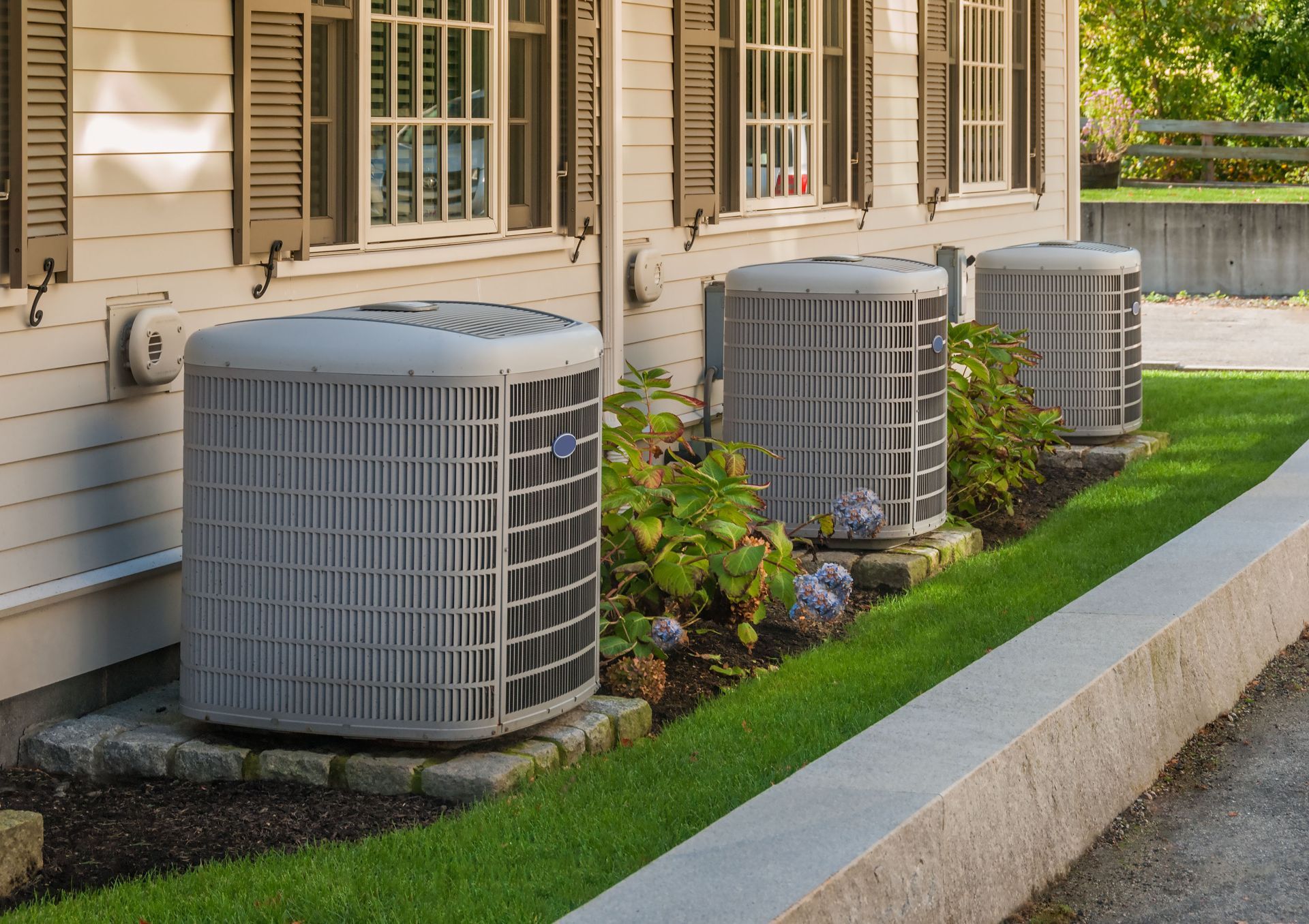
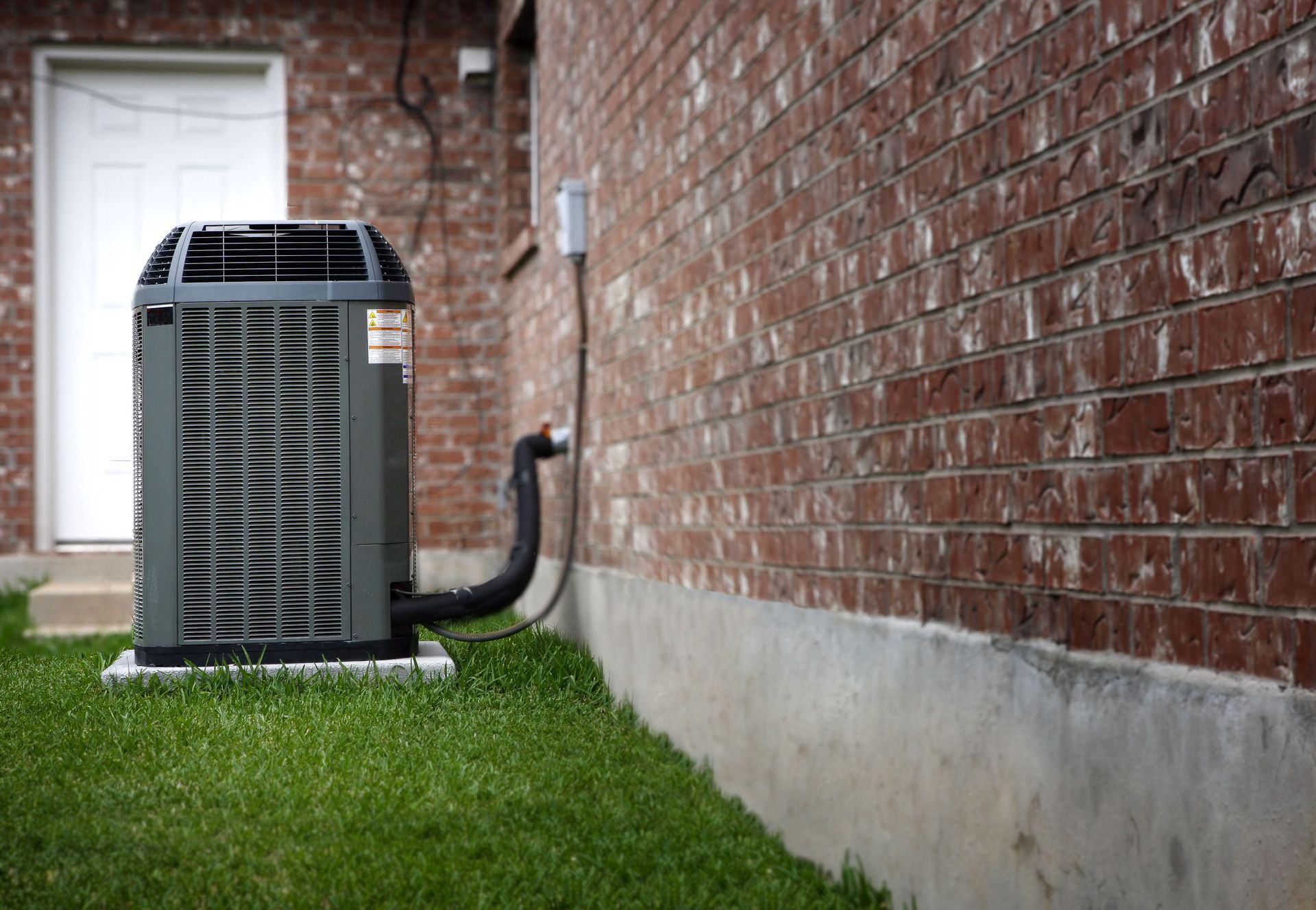
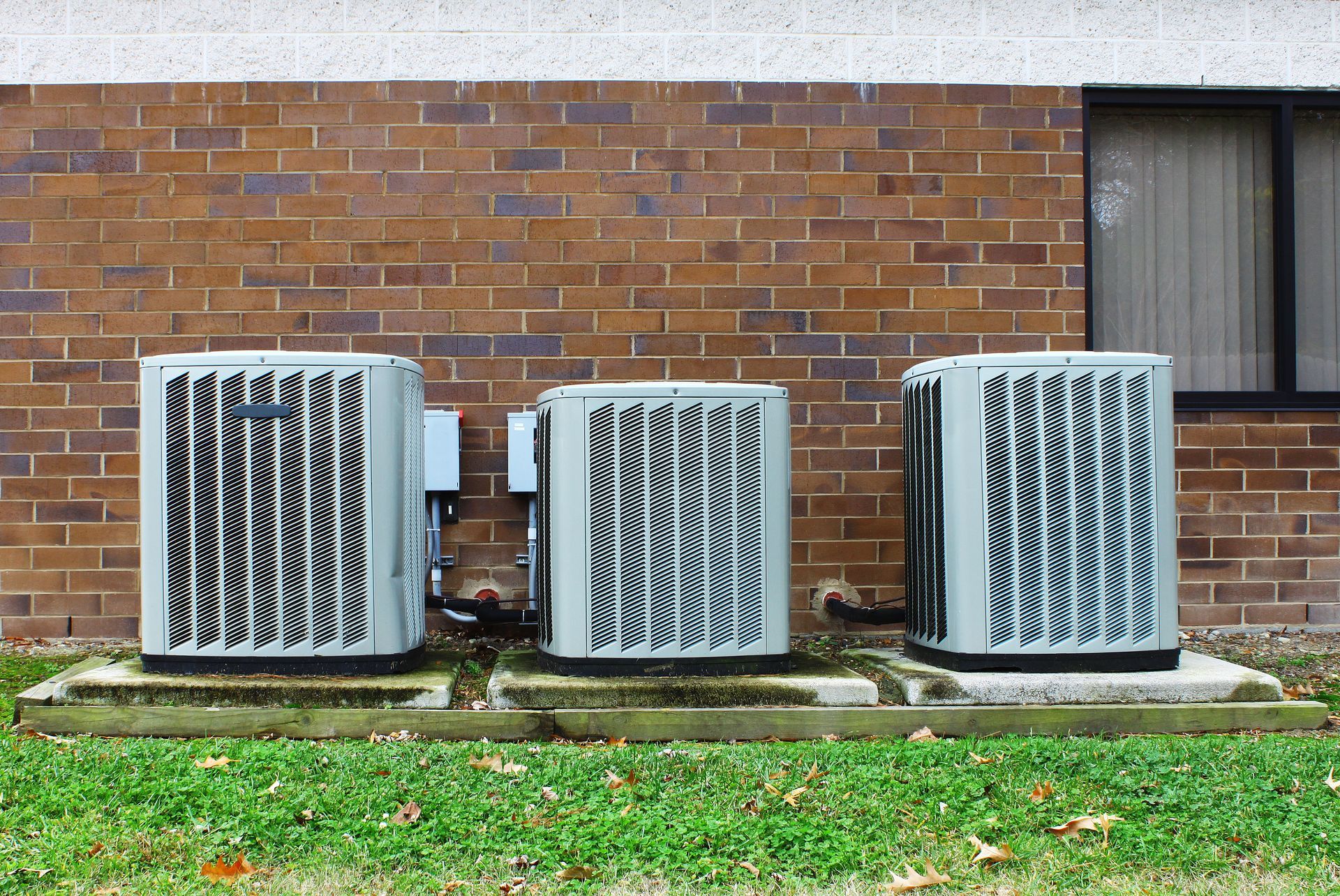
Cleaning dirty evaporator coils and removing outdoor debris from condenser fin assemblies restores efficient heat transfer capabilities. Outdoor cooling units are constantly exposed to grass clippings, fallen leaves, dirt accumulation, and pollen buildup that block critical aluminum fins. Over time, these insulating layers prevent outdoor coils from releasing absorbed indoor heat into the surrounding atmosphere.
When heat exchange is obstructed, compressor units experience excessive head pressure, leading to elevated energy bills and premature motor failure. Carefully rinsing outdoor coils with low-pressure water removes trapped debris without bending delicate aluminum fins. Servicing heat exchange hardware ensures swift, efficient thermal transfer every time indoor thermostats request active air conditioning performance.
Servicing Condensate Drain Lines and Humidity Removal Systems
Servicing condensate drain lines and clearing drain pan blockages prevents severe indoor water damage and mold growth. As cold evaporator coils extract heat from indoor air, moisture condenses rapidly on coil surfaces, dripping down into primary drain pans. Over time, algae growth, dust accumulation, and standing water create thick sludge that clogs narrow drain pipes.
When condensate lines become blocked, backup water overflows from primary drain pans, potentially damaging surrounding drywall, insulation, flooring, and ceiling structures. Regularly flushing drain lines with mild cleaning solutions dissolves buildup and maintains clear drainage pathways. Ensuring proper condensate flow protects structural building materials and preserves clean, healthy indoor air quality throughout humid summer seasons.
Coordinating Year-Round Home Comfort and Preventative Maintenance
Coordinating year-round mechanical care ensures that all climate control systems operate seamlessly through changing seasons. While summer focus remains on cooling performance, comprehensive property management demands equal attention to winter heating infrastructure. Maintaining both heating and cooling systems through organized seasonal tune-ups extends equipment life, preserves manufacturer warranties, and optimizes total household energy performance.
Scheduling routine professional tune-ups guarantees that both cooling and heating equipment receive thorough inspections from certified trade specialists. According to Best Version Media, you should schedule preventative maintenance for your furnace at least once per year. Applying this same rigorous, recurring maintenance schedule to your air conditioning system ensures reliable comfort, maximum efficiency, and total operational safety through every season of the year.
Maintaining a reliable, energy-efficient residential cooling system requires consistent attention, early symptom recognition, and timely professional maintenance. By monitoring operational warning signs, maintaining clean air filtration, verifying electrical controls, and servicing outdoor coil assemblies, homeowners can prevent unexpected summer breakdowns and extend equipment operating lifespans. Prioritizing routine diagnostic inspections preserves electrical efficiency, lowers monthly utility expenses, and ensures that indoor living spaces remain cool and safe throughout extreme heatwaves. Investing in regular air conditioning care safeguards your financial investment, reduces operational stress on vital mechanical components, and keeps your living environment comfortable day after day. When complex mechanical issues arise, relying on certified local service specialists provides total peace of mind through master craftsmanship, transparent communication, and comprehensive safety evaluations.
At A-Action Heating & Cooling Inc, we are deeply committed to ensuring your home’s summer comfort, optimizing mechanical efficiency, and delivering superior indoor climate solutions through master craftsmanship, advanced diagnostic technology, and dedicated customer care. Our team of certified service specialists brings extensive technical expertise, state-of-the-art testing equipment, and meticulous attention to detail to every air conditioning repair, heat pump installation, furnace tune-up, ductwork optimization, and emergency system service project we execute across our community. We take immense pride in evaluating your unique cooling equipment, analyzing airflow dynamics, inspecting electrical connections, and executing precise mechanical repairs that bring total chill, quiet operation, and lower utility bills to your living space. Furthermore, our company prioritizes clear communication, transparent project estimates, clean jobsite management, and exceptional service performance from initial diagnostic inspection through final system testing. We carefully examine every electrical wire, compressor valve, condensate line, and evaporator coil to guarantee maximum operational safety, energy efficiency, and complete homeowner satisfaction. Contact us today to schedule your comprehensive air conditioning consultation and discover the true value of working with dedicated local home service specialists.