October 28, 2026
Choosing the right heat pump can improve home comfort while helping manage energy costs throughout the year. Understanding your home's heating and cooling needs, available system types, and efficiency ratings makes it easier to compare options and select equipment that fits your budget. Proper installation and maintenance also play important roles in achieving reliable performance and long-term value.
Understanding Heat Pump Basics
Heat pumps provide heating and cooling by transferring heat rather than generating it directly. They offer an energy-efficient alternative to many traditional HVAC systems, making them worth considering for year-round comfort. Their ability to handle multiple temperature-control needs makes them a practical option for many households.
How Heat Pumps Work
A heat pump transfers heat between indoor and outdoor spaces using a refrigerant cycle. In winter, it moves heat indoors, while in summer, it removes indoor heat. Components such as the compressor, evaporator, condenser, and expansion valve work together to regulate temperatures efficiently.
Comparing Available System Types
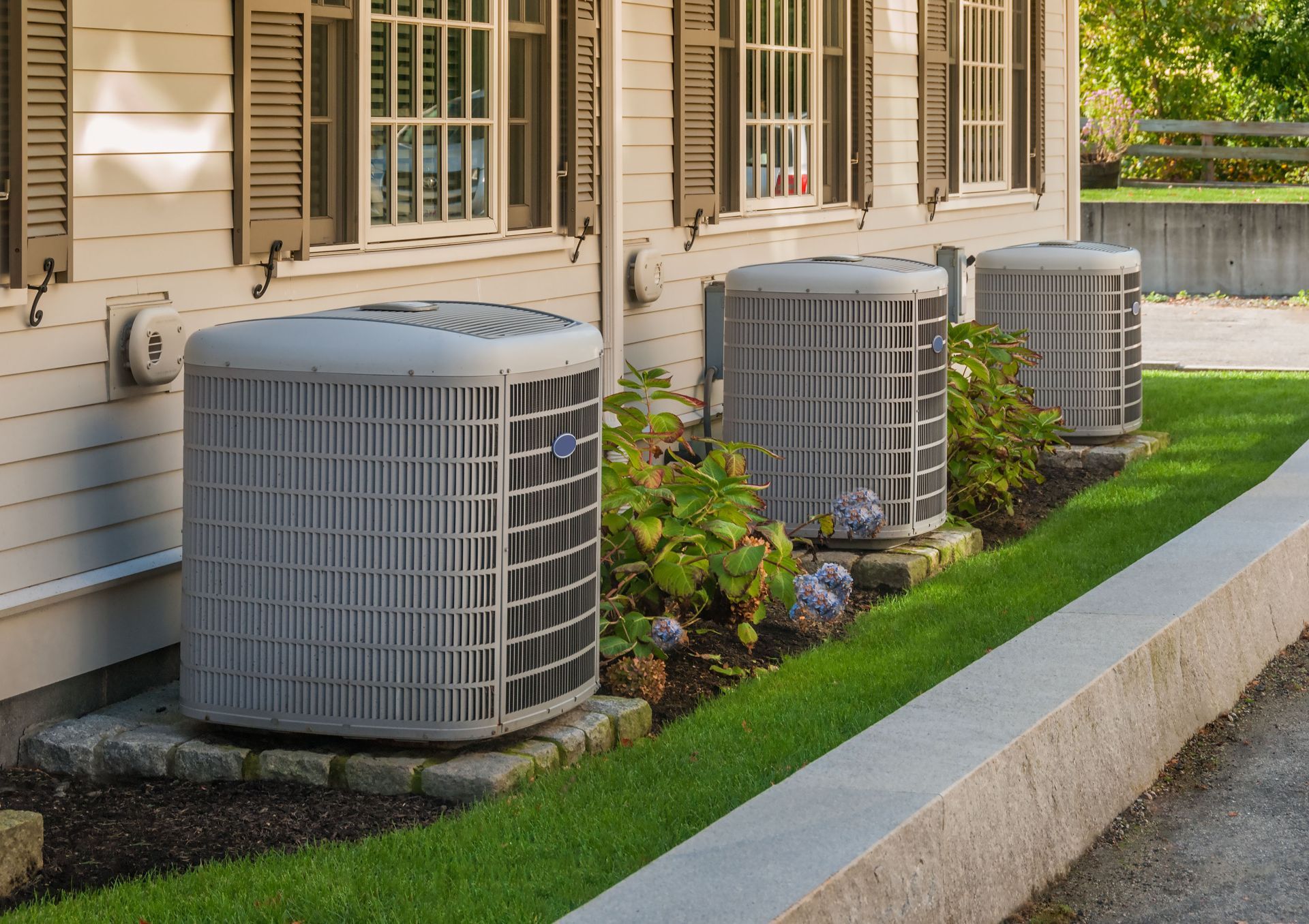
Air source heat pumps draw heat from outdoor air and are popular for their versatility. Ground source systems exchange heat with the earth and offer excellent efficiency, but require more extensive installation. Hybrid models combine a heat pump with a secondary heating source, while absorption systems use thermal energy and are less common in residential applications. Comparing these options helps homeowners identify a system that suits their property and climate.
Evaluating the Benefits of Heat Pumps
Heat pumps can reduce energy consumption by moving existing heat instead of producing it through conventional electric resistance heating. Their ability to provide year-round temperature control may eliminate the need for separate heating and cooling equipment. Depending on local conditions, homeowners may also benefit from lower utility bills and reduced greenhouse gas emissions.
Assessing Your Home's Heating and Cooling Needs
Considering Climate and Regional Conditions
Your local climate influences which heat pump will provide dependable performance. Standard air source models may suit moderate climates, while colder regions may require equipment designed for low-temperature operation. Evaluating seasonal temperatures helps determine the appropriate capacity and features for your home. Considering typical winter lows and summer highs helps ensure the system can handle changing weather demands.
Calculating Home Size and Layout
Square footage, ceiling height, window placement, and room arrangement all affect heating and cooling requirements. HVAC professionals can perform a load calculation to determine the appropriate equipment size. An oversized system may cycle too frequently, while an undersized unit may struggle during extreme weather. A properly planned heat pump installation helps maintain comfort and efficiency.
Improving Insulation and Energy Efficiency
Insulation, air sealing, and window performance influence how efficiently a heat pump maintains indoor temperatures. Addressing drafts and inadequate insulation can reduce energy waste. Homeowners should also check whether existing ductwork is properly sealed and insulated before scheduling a heat pump installation, since air leaks can undermine system performance.
Matching Equipment to Household Habits
Your family's schedule and comfort preferences can help determine which features are worthwhile. Programmable thermostats, smart controls, and zoning capabilities allow homeowners to adjust temperatures based on occupancy. Discussing these preferences during heat pump installation planning can help ensure the selected equipment supports everyday routines without unnecessary energy use.
Comparing Heat Pump Configurations and Efficiency
Choosing Between Ducted and Ductless Systems
Ducted heat pumps distribute conditioned air through existing ductwork, making them suitable for many central HVAC systems. Ductless mini-splits provide direct heating and cooling for individual rooms or zones, making them useful for additions and homes without ducts. The right configuration depends on your property's layout and renovation needs, as well as the available space for indoor and outdoor equipment.
Understanding Efficiency Ratings
Seasonal Energy Efficiency Ratio 2 (SEER2) measures cooling efficiency, while Heating Seasonal Performance Factor 2 (HSPF2) evaluates heating performance. Higher ratings generally indicate greater efficiency under standardized testing conditions. Comparing these figures alongside purchase prices and estimated energy use helps homeowners assess potential savings and choose equipment that aligns with their long-term goals.
Reviewing Energy Star Certification
Energy Star certification identifies products that meet applicable energy-efficiency requirements. Refrigerant management is another consideration because heat pumps rely on refrigerants to transfer heat. According to the U.S. Environmental Protection Agency, smaller unitary air conditioners and heat pumps represented 40% of the estimated installed refrigerant stock covered by its 2025 analysis, the largest individual equipment category in the study. This finding highlights the importance of proper equipment servicing and responsible refrigerant management.
Estimating Real-World Operating Costs
Actual performance depends on outdoor temperatures, thermostat settings, insulation, and maintenance. Comparing estimated annual energy consumption with local electricity rates helps homeowners evaluate operating expenses. Equipment suited to regional weather conditions may deliver better value than a model selected solely for its efficiency rating. Professional heat pump installation also helps ensure that equipment is configured to perform as intended.
Planning Professional Installation and Maintenance
Selecting a Qualified HVAC Installer
An experienced contractor can evaluate your property, calculate heating and cooling loads, and recommend suitable equipment. Improper sizing, incorrect refrigerant charging, and inadequate airflow can reduce efficiency and shorten equipment life. Review contractor licensing, insurance, experience, and relevant certifications before making a decision. Asking about previous installations and available service options can also help you evaluate a contractor's suitability for your heat pump installation.
Preparing for the Installation Process
Installation typically involves selecting equipment locations, connecting electrical and refrigerant lines, and modifying ductwork when necessary. Technicians should test the system, verify airflow, and explain thermostat settings and basic maintenance. Before work begins, confirm that the estimate outlines equipment, labor, and additional modifications, so you understand the full scope of the project.
Maintaining Equipment Performance
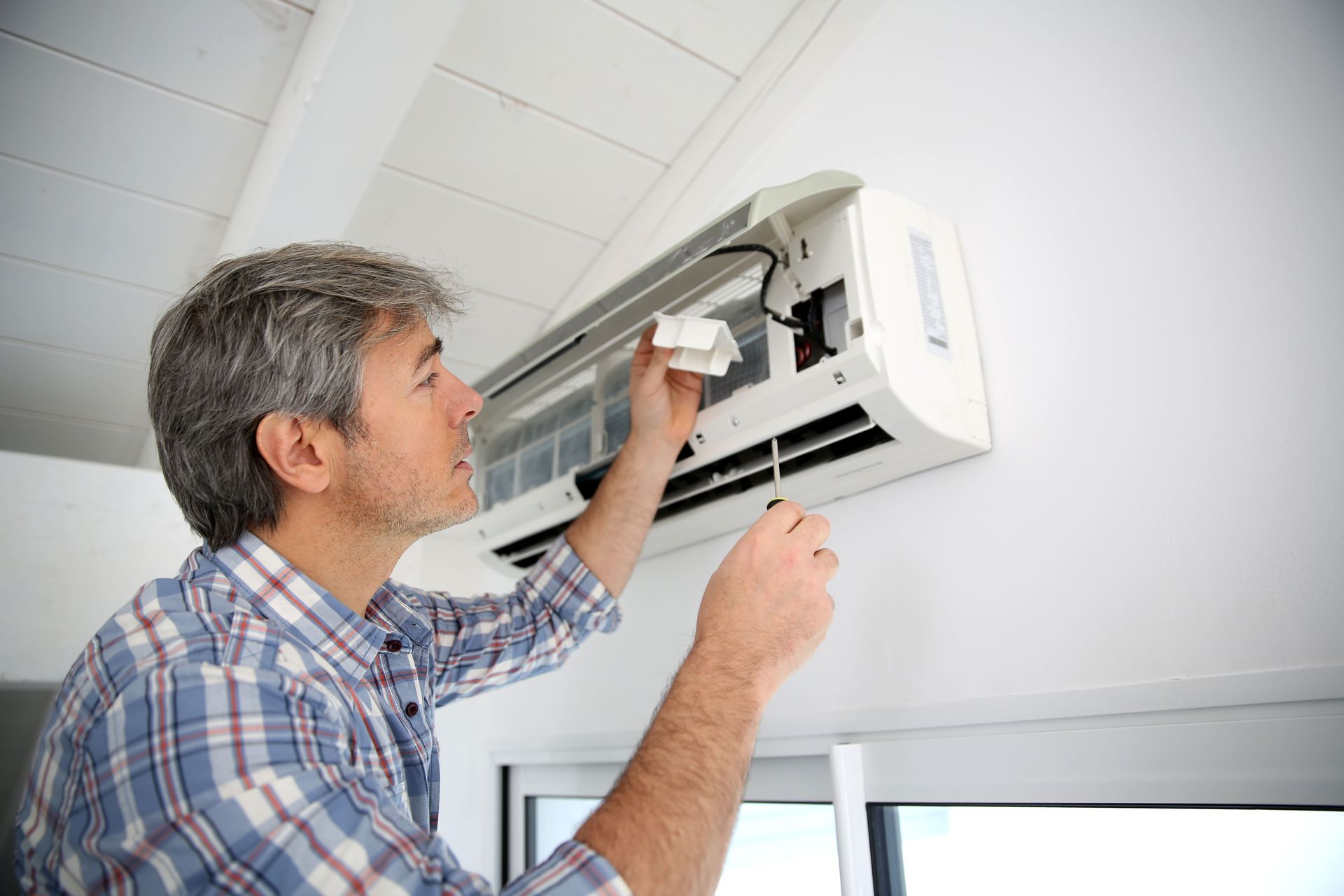
Regular maintenance supports efficiency and reliability. Clean or replace filters according to manufacturer recommendations, and keep outdoor units free of debris. Annual professional inspections can identify drainage problems, worn components, and airflow restrictions before they become more expensive to address. Maintaining the equipment after heat pump installation can help preserve consistent performance over time.
Recognizing Common Problems
Insufficient heating or cooling, unusual noises, frequent cycling, and rising energy bills may indicate a problem. Checking thermostat settings and replacing dirty filters can resolve some minor issues. Persistent concerns, including suspected refrigerant leaks or mechanical failures, require professional attention.
Evaluating Costs, Incentives, and Long-Term Value
Comparing Upfront and Ongoing Expenses
Equipment type, capacity, efficiency, and installation complexity all affect the total cost. Air source systems often cost less to install than geothermal models, which may require excavation. Homeowners should compare purchase prices alongside projected energy bills, maintenance expenses, and expected equipment lifespan. Requesting a detailed heat pump installation estimate makes it easier to understand the initial investment and compare contractors fairly.
Researching Rebates and Financial Incentives
Some federal, state, local, and utility programs offer financial assistance for qualifying energy-efficient upgrades. Eligibility requirements may depend on equipment specifications and efficiency ratings. Verify current program terms before purchasing to determine whether incentives can reduce your total investment.
Calculating Long-Term Savings
Long-term value depends on the initial investment, anticipated energy savings, and maintenance costs. A more efficient model may cost more upfront but reduce monthly utility expenses. Comparing properly sized systems helps homeowners balance affordability, performance, and comfort.
Reviewing Warranties and Service Agreements
Manufacturer warranties may cover specific components for a defined period, while service agreements can include routine inspections. Review coverage terms, exclusions, and labor provisions before purchasing. Following recommended maintenance schedules can also help homeowners meet applicable warranty requirements.
Making the Right Heat Pump Decision
Choosing a heat pump involves considering your home's size, climate, insulation, comfort preferences, and budget. Comparing system types, efficiency ratings, and installation requirements helps homeowners make informed decisions. Proper sizing and regular maintenance are equally important for dependable performance. Taking time to compare options can help prevent costly mismatches and support long-term comfort.
For help selecting a system that fits your property and comfort goals, contact A-Action Heating & Cooling Inc. A professional consultation can help you compare suitable options and plan for efficient heating and cooling throughout the year.