April 1, 2026
Heating, ventilation, and air conditioning systems are essential to comfort, indoor air quality, and energy performance in both homes and commercial buildings. They regulate temperature, manage humidity, and help create healthier indoor environments throughout the year. Because there are several system types available, choosing the right setup can feel overwhelming for property owners who are trying to balance cost, performance, and long-term value. Learning how each option works makes it easier to compare features and decide what fits your space. A trusted heating and air conditioning company can help evaluate square footage, insulation levels, and airflow needs before recommending a system.
1. Central Air Conditioning Systems
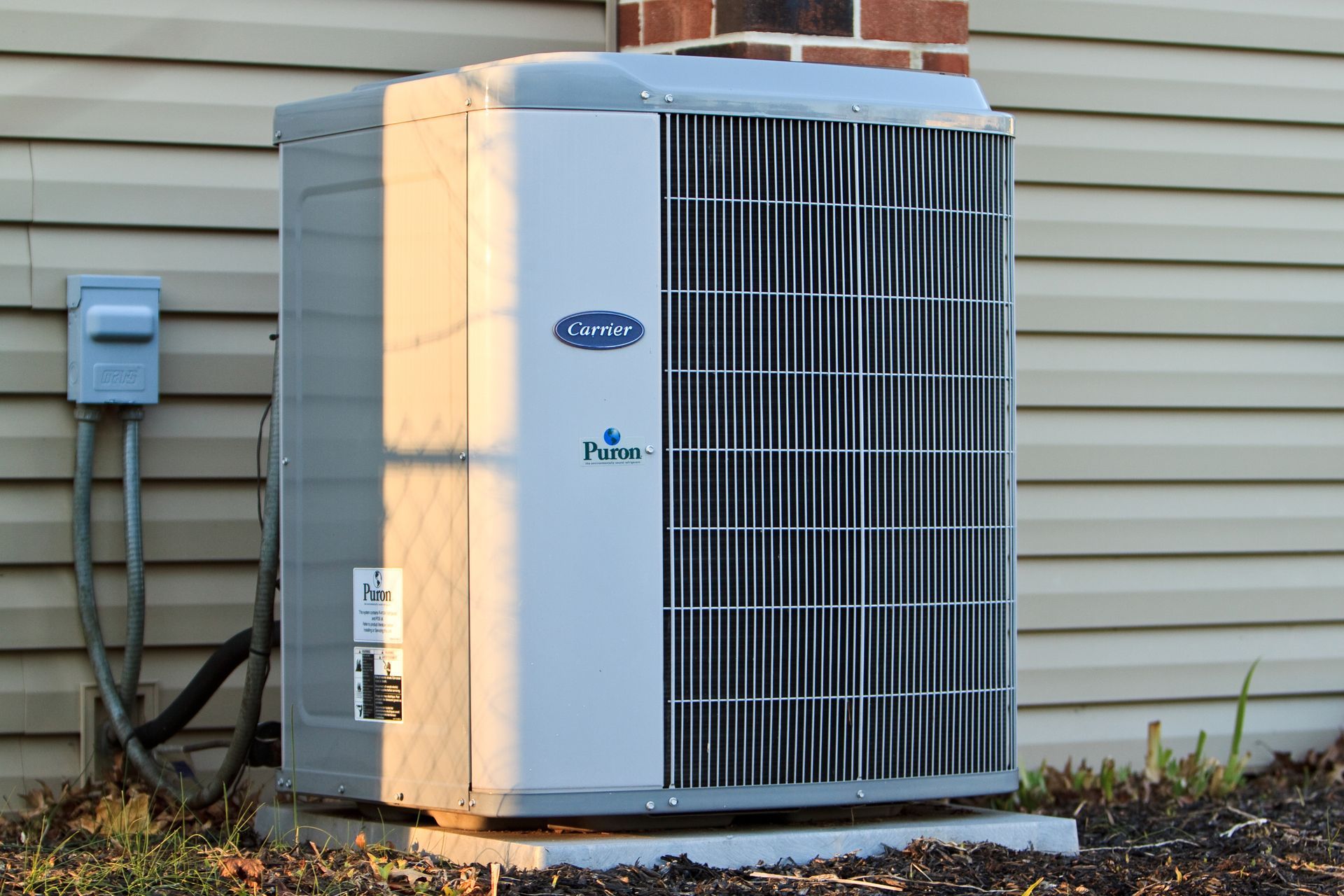
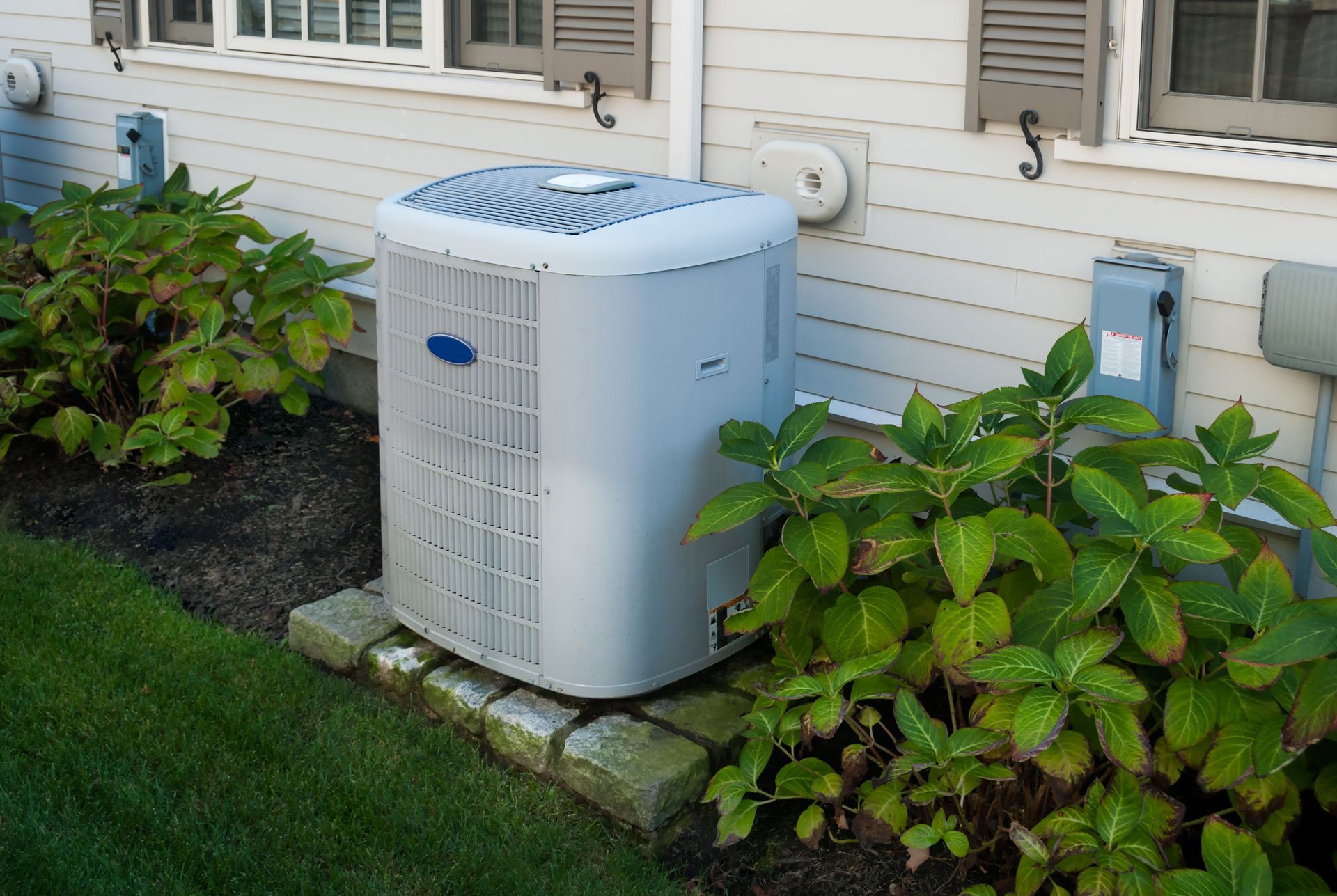
Central air conditioning systems are one of the most common choices for cooling larger homes and businesses. These systems use an outdoor condenser and an indoor air handler or furnace coil to remove heat from indoor air and circulate cooled air through ductwork. One major advantage is their ability to maintain a consistent temperature across multiple rooms, which helps reduce hot and cold spots throughout the building. They also keep visible equipment to a minimum because most components are tucked away outside or in utility spaces. When installed and maintained correctly, a heating and air conditioning company can help central systems deliver dependable comfort for many years.
There are drawbacks to consider as well. Central systems usually work best in buildings that already have ducts, since adding new ductwork can increase installation time and cost. Duct leaks, poor insulation, and dirty filters can also reduce efficiency and affect indoor air quality. Even so, central air remains a practical choice for medium to large properties that need even cooling and straightforward thermostat control. Homeowners who want whole-home comfort often find this option appealing because it blends performance with familiar operation.
2. Ductless Mini-Split Systems
Ductless mini-split systems are designed for spaces where ductwork is unavailable, inefficient, or too expensive to install. They consist of an outdoor compressor connected to one or more indoor air handlers mounted in individual rooms or zones. Because each indoor unit can be controlled independently, mini-splits allow for customized temperature settings in bedrooms, offices, additions, and other frequently used areas. This targeted control can reduce wasted energy because you do not have to condition every room at the same level all day long. For many retrofits and home additions, a heating and air conditioning company may recommend mini-splits as a flexible alternative to a central system.
Mini-splits are also known for strong efficiency ratings, and they avoid energy losses that often occur through leaky ducts. According to Today's Homeowner, many modern ductless mini-split systems boast Seasonal Energy Efficiency Ratio (SEER) ratings over 20, with high-end models reaching up to 30 SEER. Their installation is typically less invasive, requiring only a small opening for refrigerant lines and electrical connections. However, they do have visible indoor units, which some property owners may not prefer from a design standpoint. Upfront costs can also rise when multiple zones are added, especially in larger homes. Still, for precise comfort control and modern efficiency, mini-splits are a strong option in many residential and light commercial applications.
3. Heat Pump Systems
Heat pumps provide both heating and cooling by transferring heat rather than generating it directly. In warm weather, they move heat out of the building like a conventional air conditioner. In cooler weather, they reverse the process and pull heat from the outdoor air or ground to warm the interior. This dual-purpose design makes them attractive to owners who want one system to handle year-round comfort. A heating and air conditioning company often suggests heat pumps for moderate climates because they can operate efficiently without relying on separate systems for different seasons.
The greatest advantage of a heat pump is energy efficiency. Since it moves heat instead of producing it through combustion, it can lower electricity use compared to older heating methods. Heat pumps are also a good fit for households focused on reducing carbon emissions or pairing their HVAC equipment with solar power. Their limitations usually appear in very cold climates, where performance may drop and supplemental heat may be needed. Even so, improved cold-climate models have expanded their usefulness, making them more practical in a wider range of regions than in the past.
4. Packaged System Configurations
Packaged systems place the compressor, coils, and air handler inside a single outdoor cabinet rather than splitting components between indoor and outdoor locations. These units are often installed on rooftops or beside buildings and connected to the interior through ductwork. Their all-in-one design can save indoor space, which makes them useful for smaller homes, apartments, and commercial buildings with limited utility room capacity. Because the major parts are housed together, servicing can also be simpler in some situations. A heating and air conditioning company may recommend a packaged system when interior layout restrictions make a traditional split system less practical.
Although packaged units are convenient, they may not always match the efficiency of premium split systems. Since the entire unit sits outside, weather exposure can affect wear over time if maintenance is neglected. Noise can also be more noticeable depending on placement and property design. Even with those considerations, packaged systems remain a reliable solution for many buildings that need a compact, straightforward setup. Their combination of heating and cooling capabilities in one cabinet appeals to buyers who value simplicity and space savings.
5. Geothermal System Performance
Geothermal heating and cooling systems use the earth’s steady underground temperatures to help regulate indoor comfort. A loop system buried in the ground transfers heat to and from the building, allowing the equipment to cool in summer and heat in winter with remarkable efficiency. Because underground temperatures remain more stable than outdoor air, geothermal systems can operate with lower energy demand than many conventional alternatives. They are especially attractive to property owners planning long-term occupancy who want to invest in sustainable performance. In many cases, a heating and air conditioning company will discuss geothermal options during major renovations or new construction projects.
The main challenge with geothermal systems is the initial installation cost. Ground loops require excavation or drilling, and site conditions strongly influence whether the project is feasible. Properties with sufficient land and favorable soil conditions usually make the best candidates. Once installed, however, geothermal systems can offer quiet operation, lower utility costs, and impressive equipment longevity. For owners focused on long-term savings and environmental benefits, geothermal technology can be one of the most effective HVAC investments available.
6. Hybrid and Dual Fuel Solutions
Hybrid or dual fuel systems combine an electric heat pump with a gas furnace to improve efficiency across changing weather conditions. In milder temperatures, the heat pump handles heating efficiently. When outdoor temperatures drop too low for the heat pump to work at peak performance, the system automatically switches to the furnace. This balance helps optimize fuel use and maintain dependable indoor comfort throughout the winter. A knowledgeable heating and air conditioning company can explain whether a hybrid setup makes sense based on climate, energy prices, and your existing equipment.
Every system type offers a different mix of efficiency, comfort, installation requirements, and long-term value. By understanding how central air, mini-splits, heat pumps, packaged systems, geothermal units, and hybrid systems function, property owners can make more informed decisions about indoor comfort. The best HVAC choice is the one that aligns with your budget, your building, and your climate while leaving room for future efficiency improvements. Careful planning now can lead to better comfort, lower utility costs, and more reliable performance for years to come. Contact A-Action Heating & Cooling Inc today and learn more about our HVAC services.